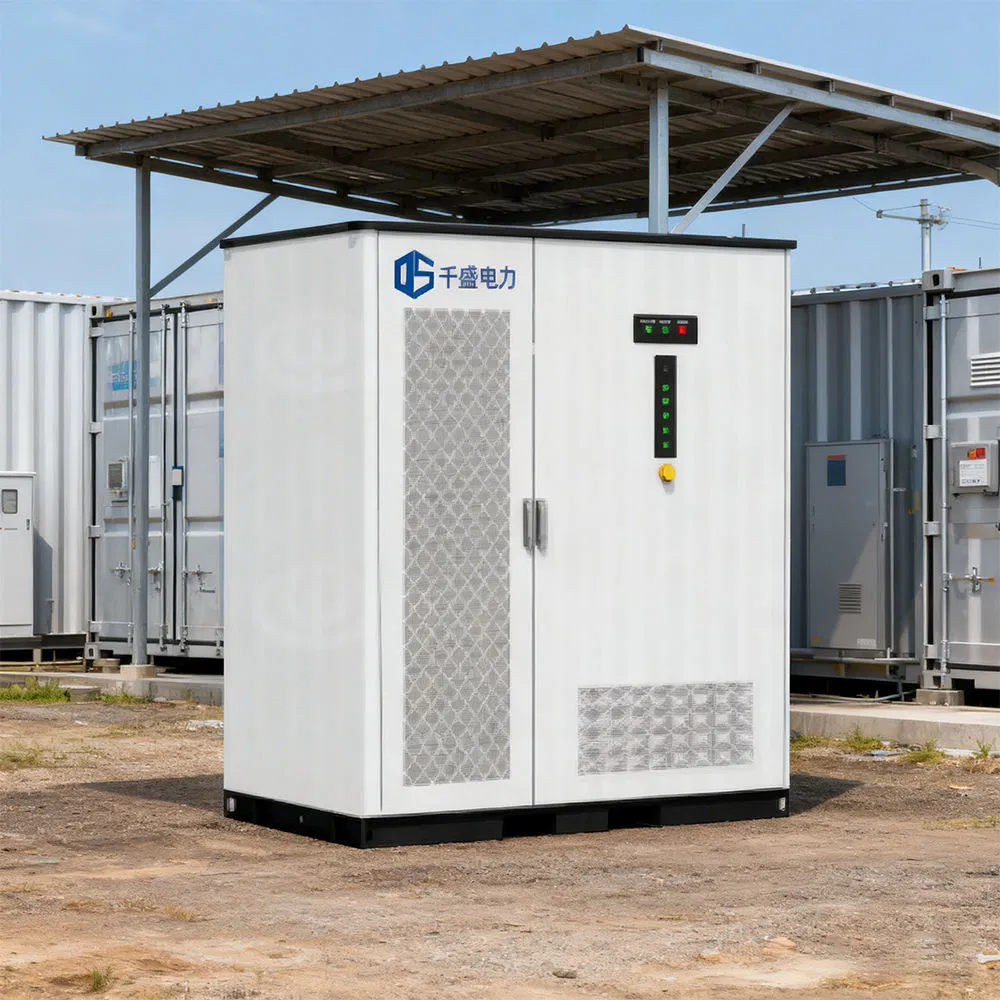
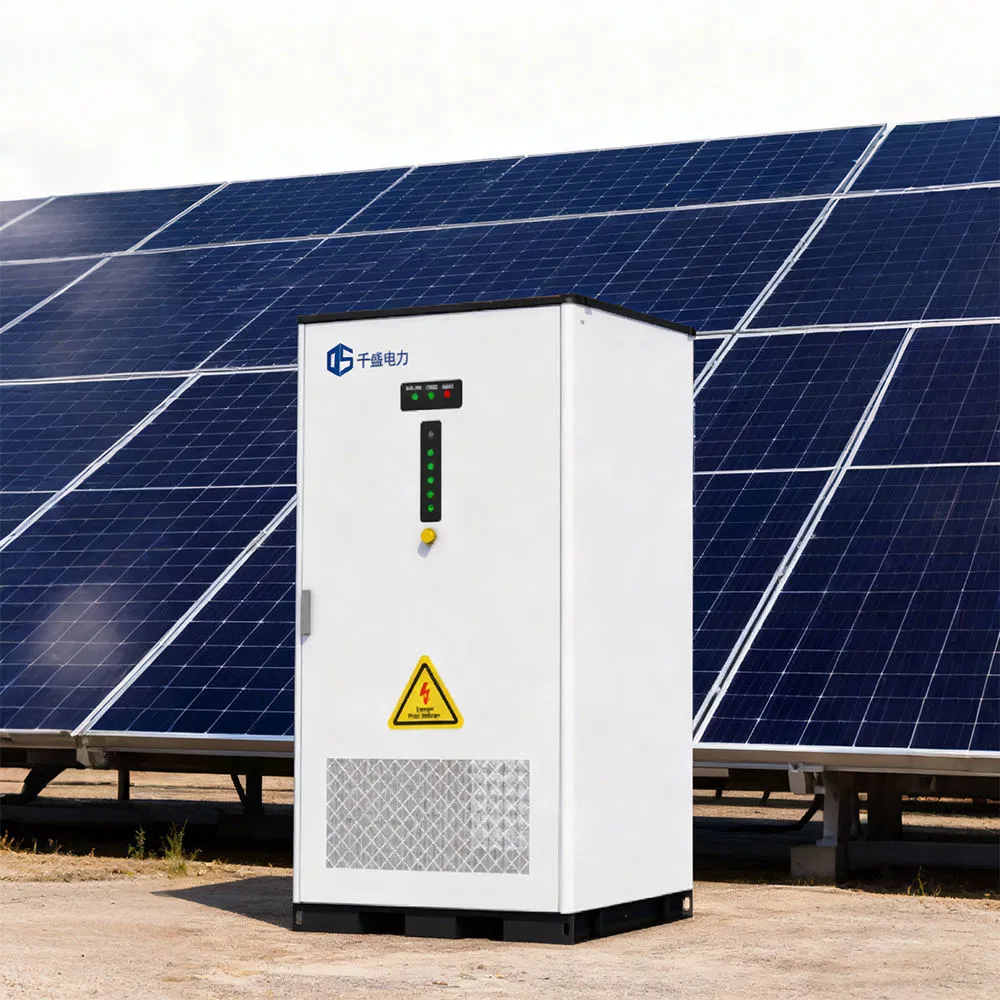
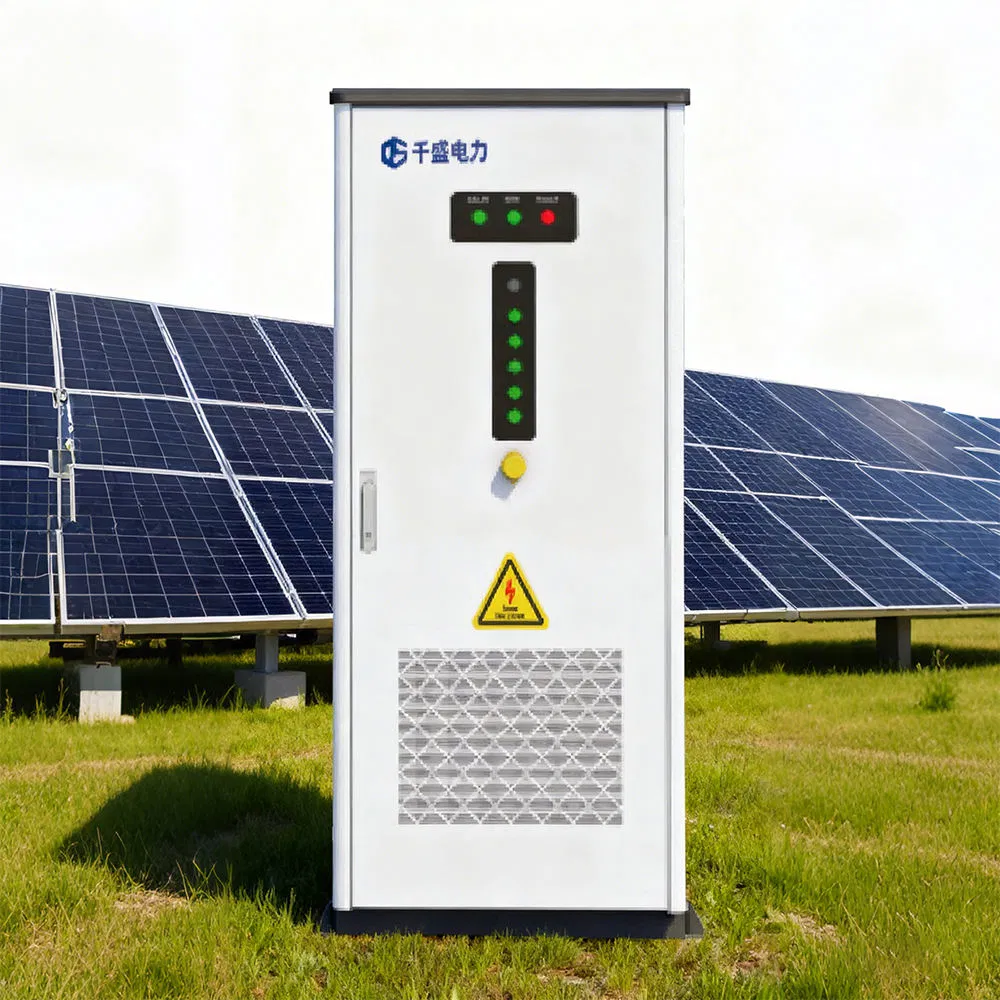
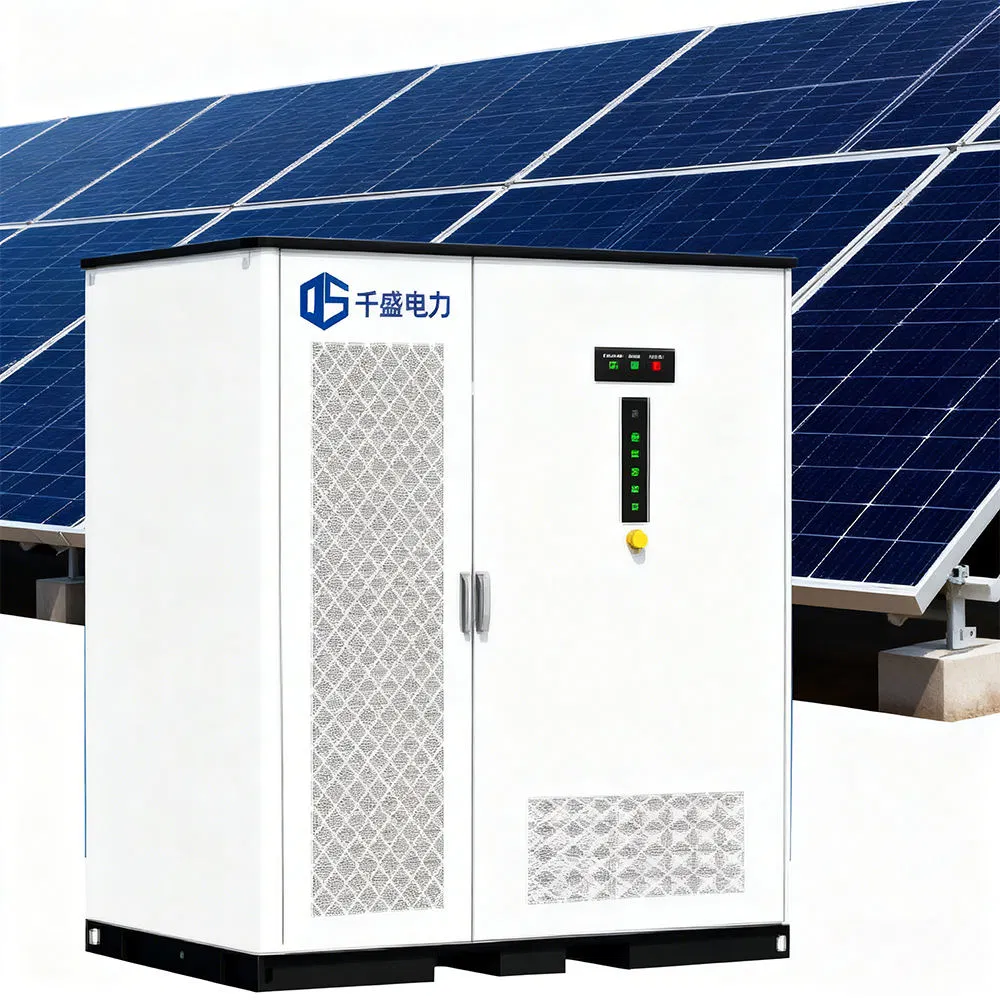
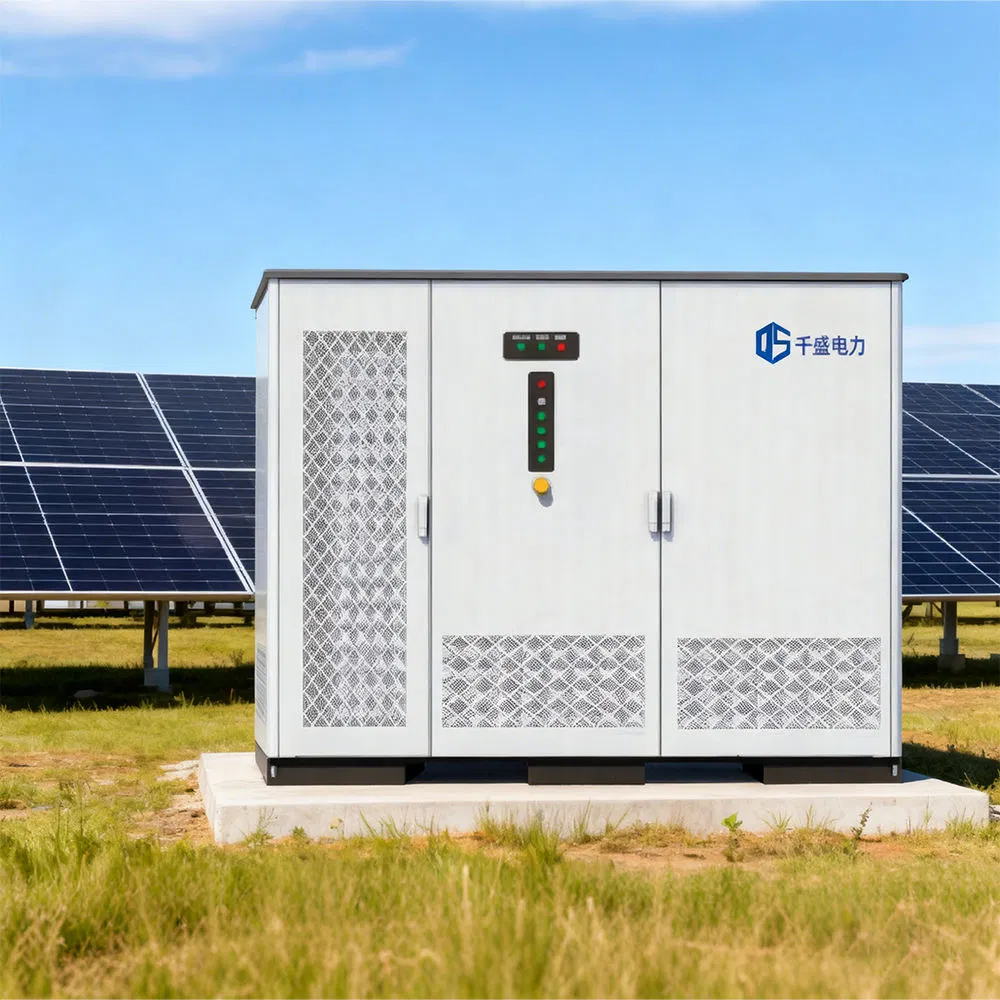
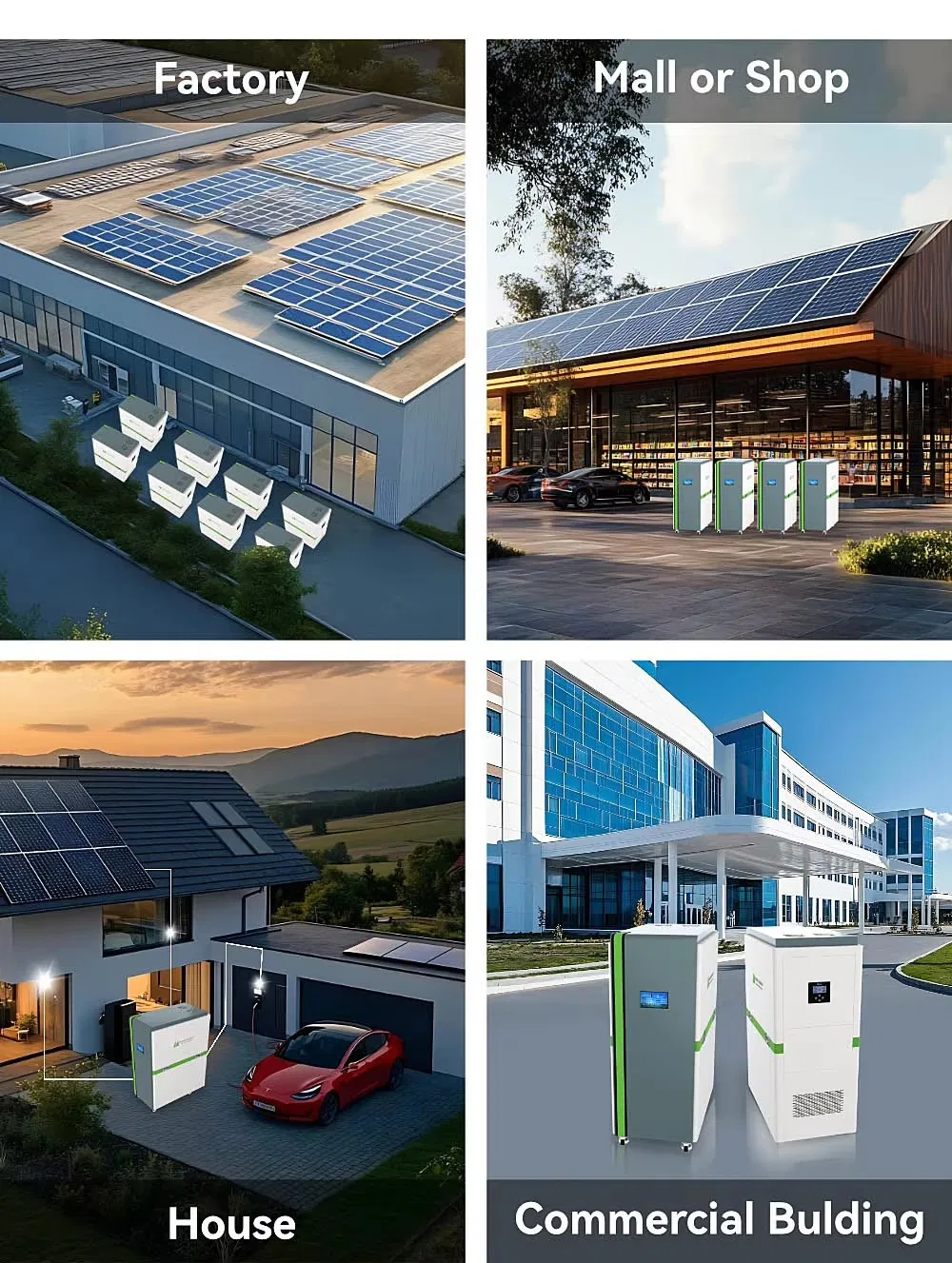
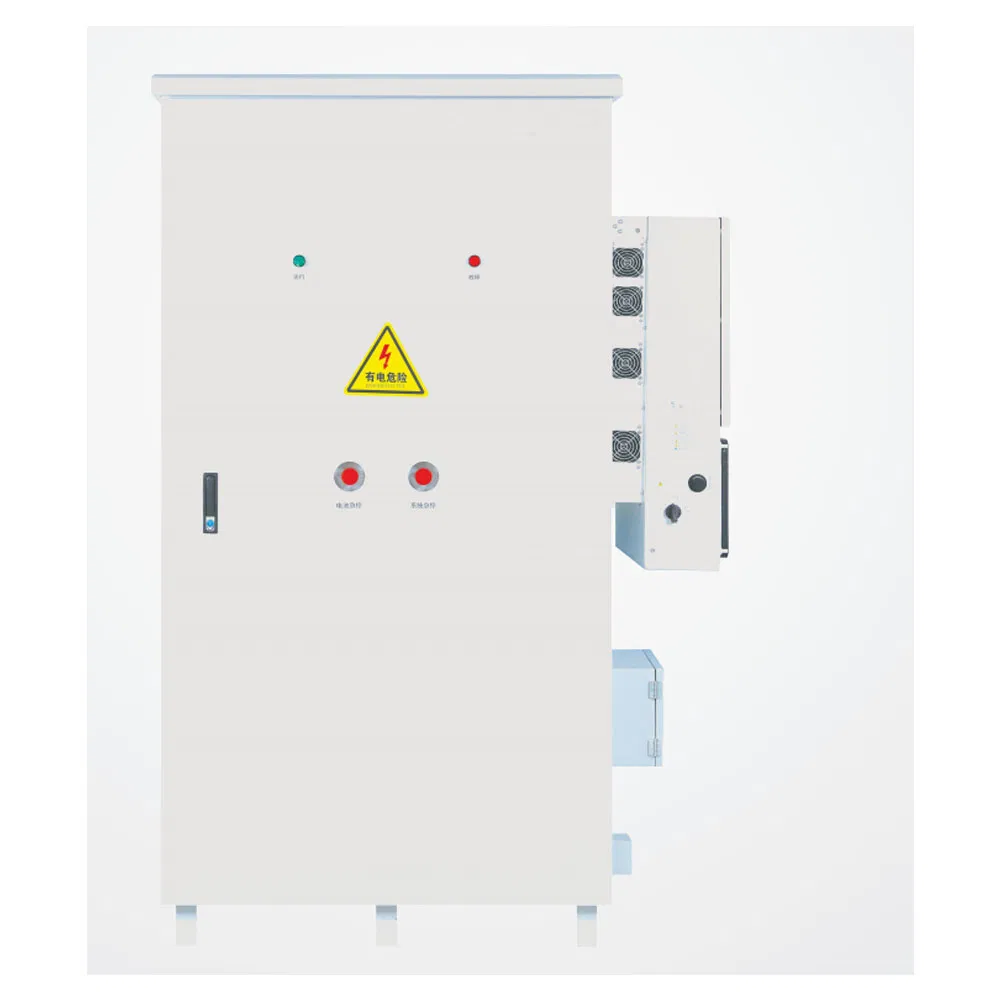
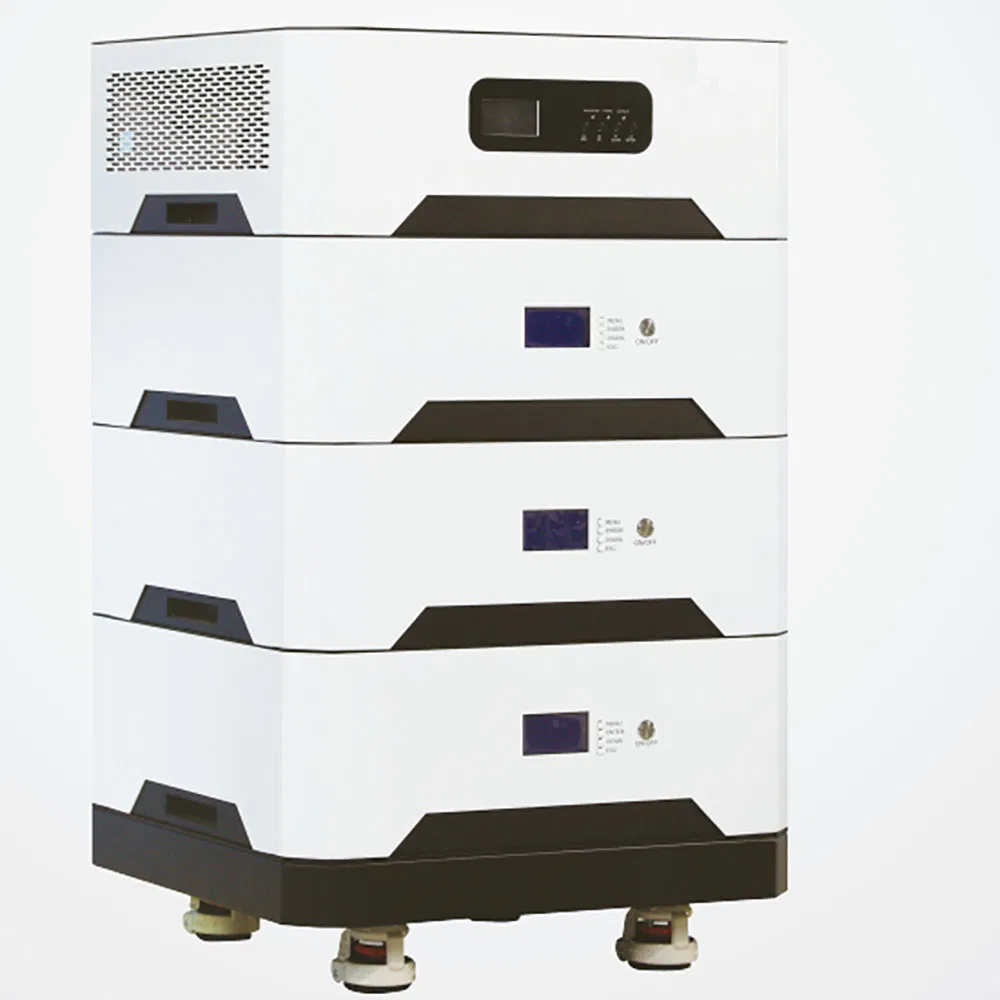
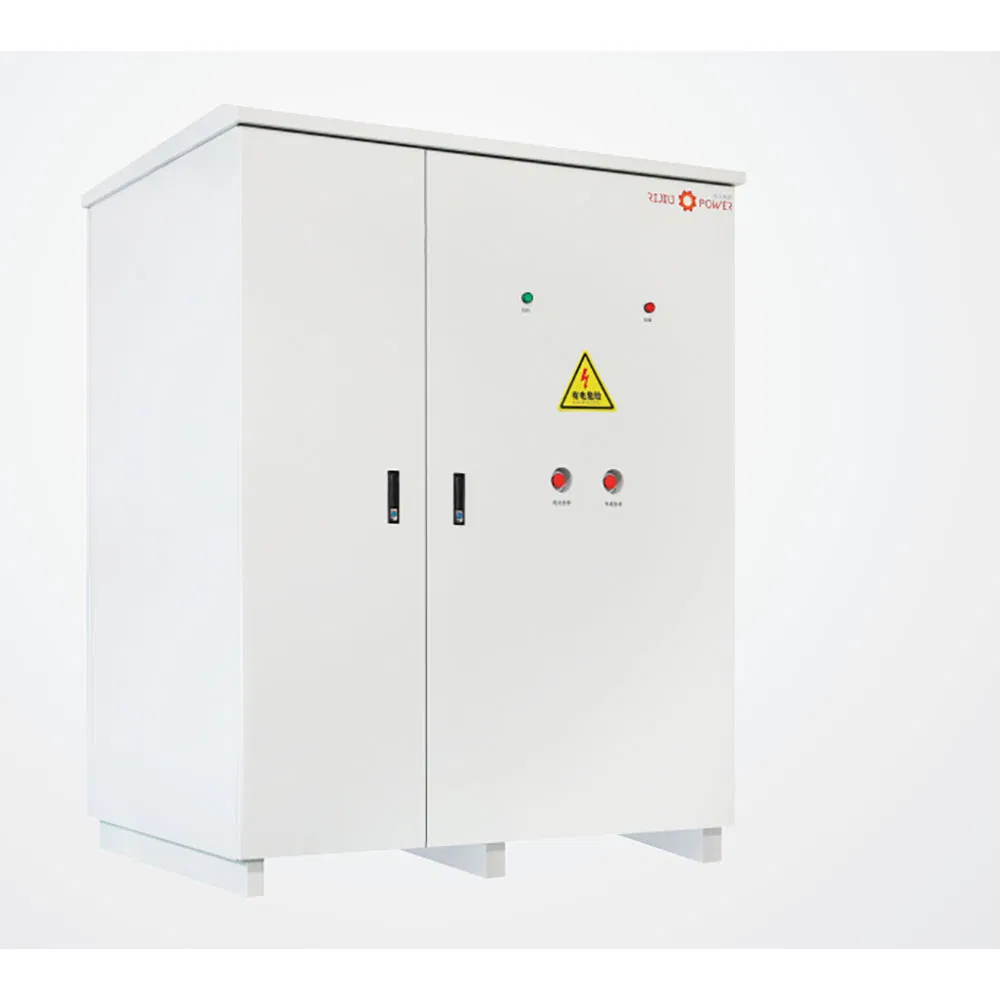
Industrial 50kw-500kw Hybrid Complete Solar Energy Storage System on/off Grid Connection Energy Storage with LiFePO4 Battery

Still deciding? Get samples of $ !
Order Sample

Product Description

Basic Specifications

Model NO.
LDS003
Technical Support
Professional Guidance
Solar System
Ground Mount Off-Grid
Efficiency
99.8%
Rated Capacity
314ah
Interface
Can/RS485
Protection Level
IP55
Fire Protection
Aerosol
Cycles
> 6000 Times
Working Temp
25ºC ± 5ºC
📋

Product Description

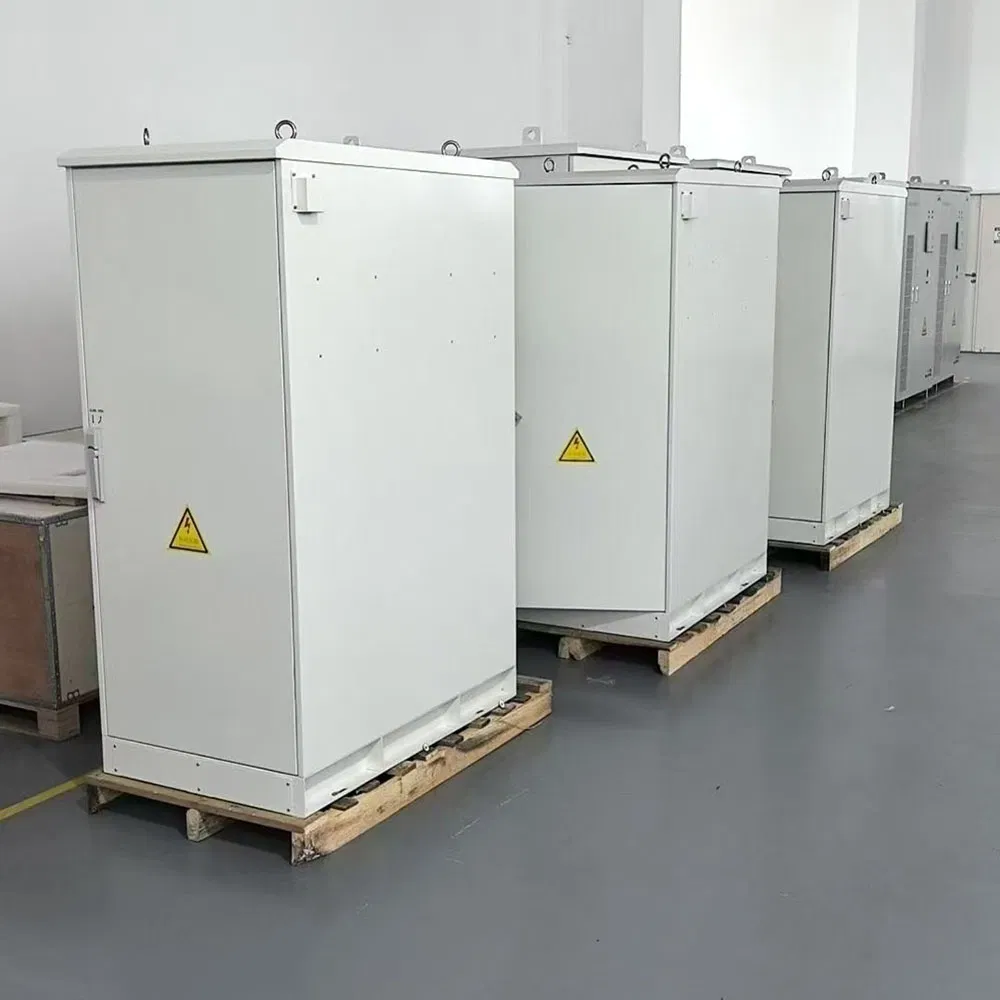
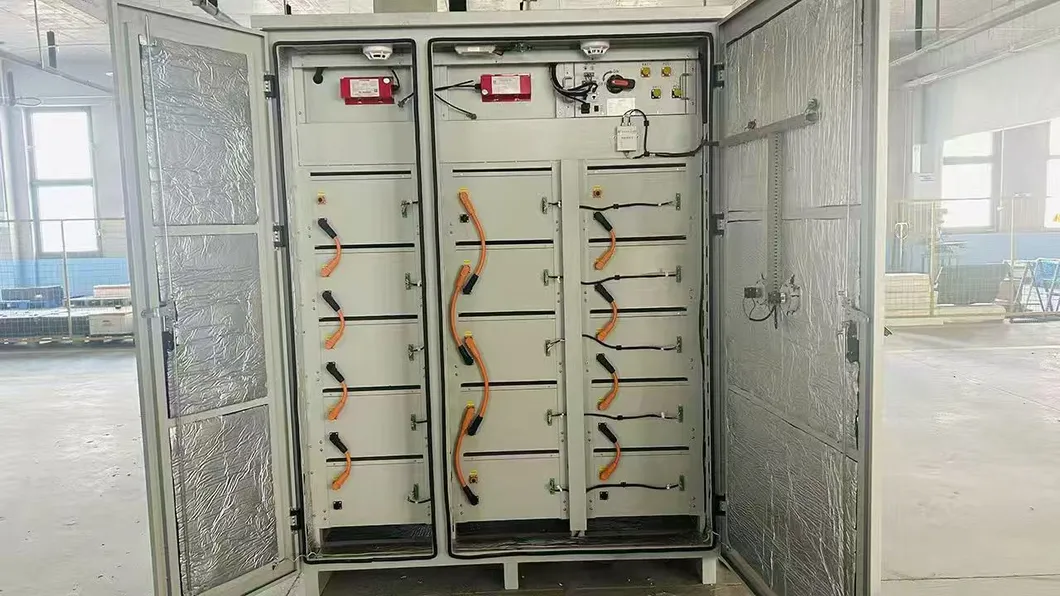
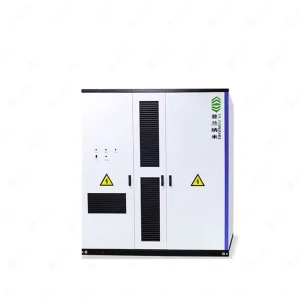
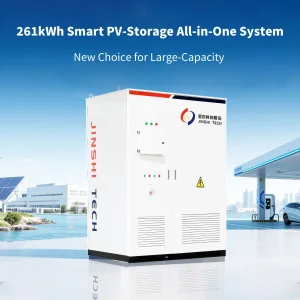
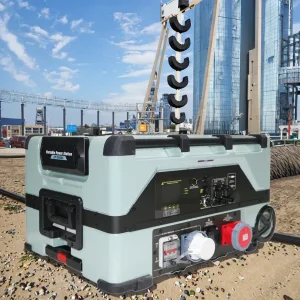
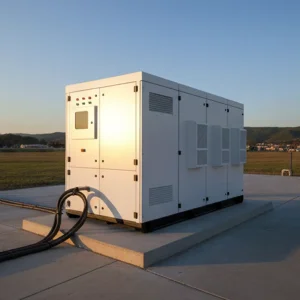
Product NameSolar-storage integrated machine
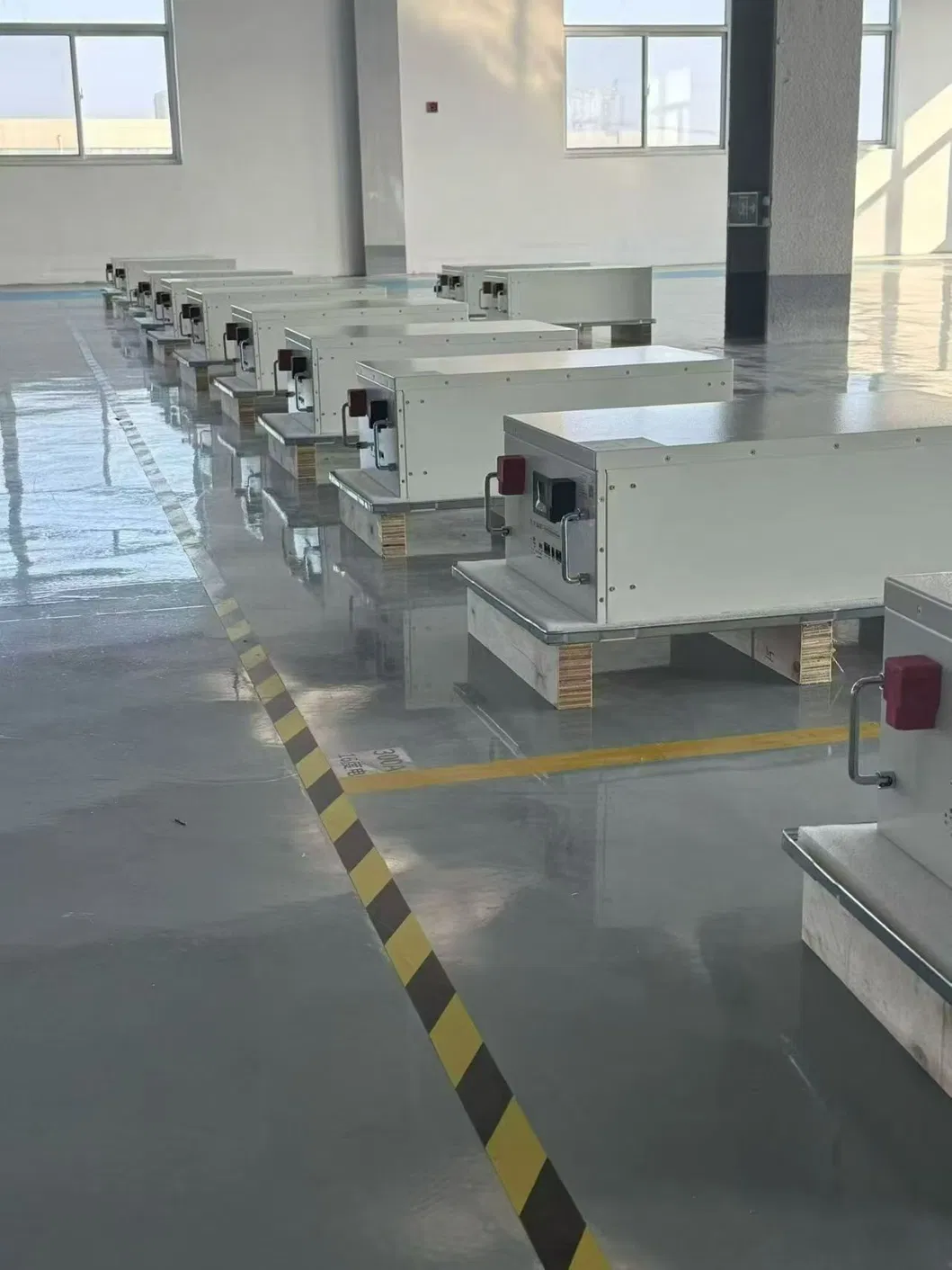
Cell typeLFP (LiFePO4)
Rated energy128kWh
Rated voltage409.6VDC
Max Charging Voltage467.2VDC
InteractionInternet of Things + APP
Dimensions1035*2045*1386mm
Weight1736kg
🖼️

Detailed Gallery

🛠️

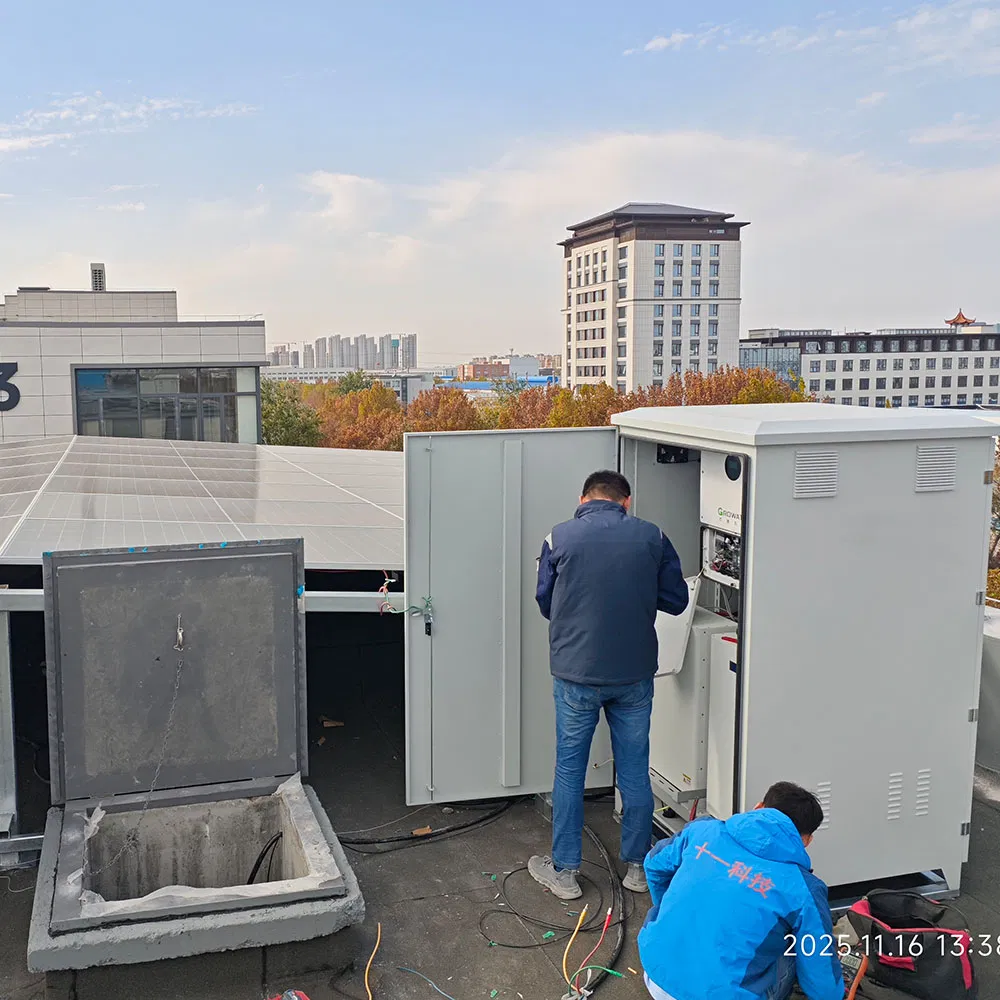
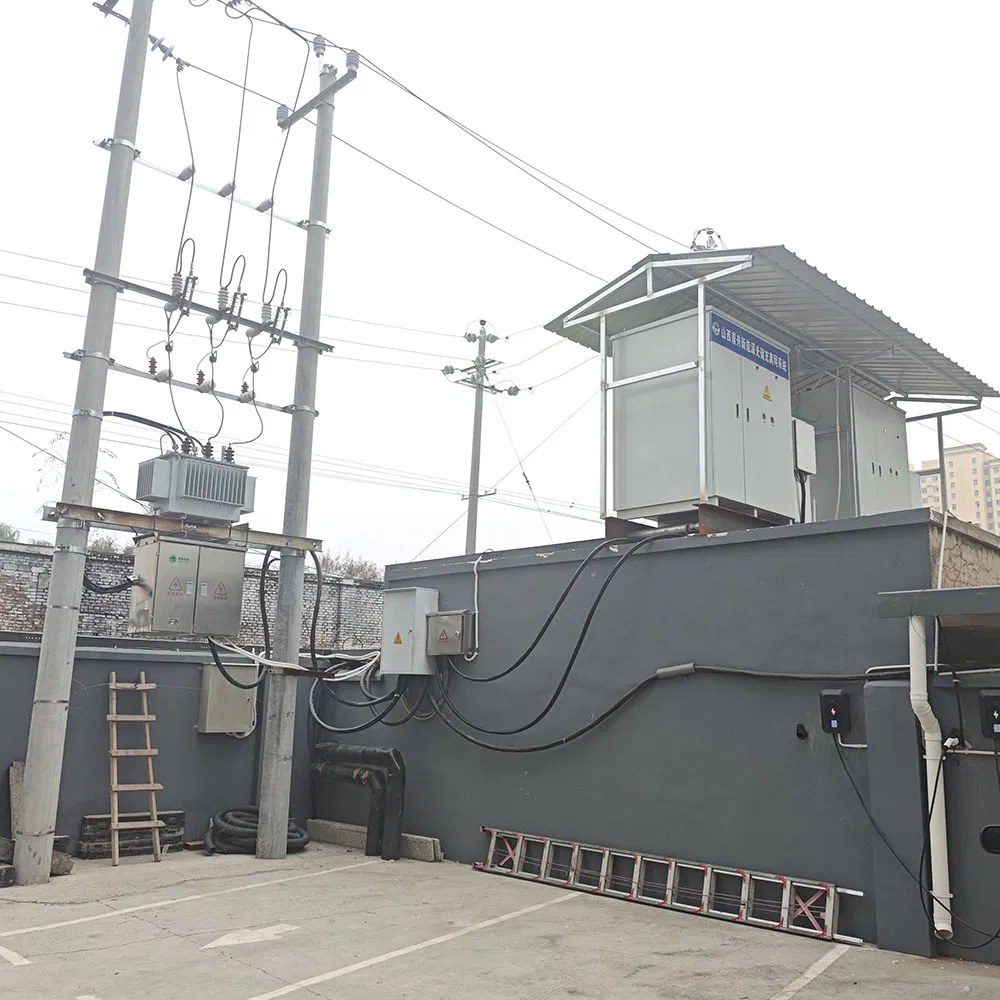
Installation Instructions

📦

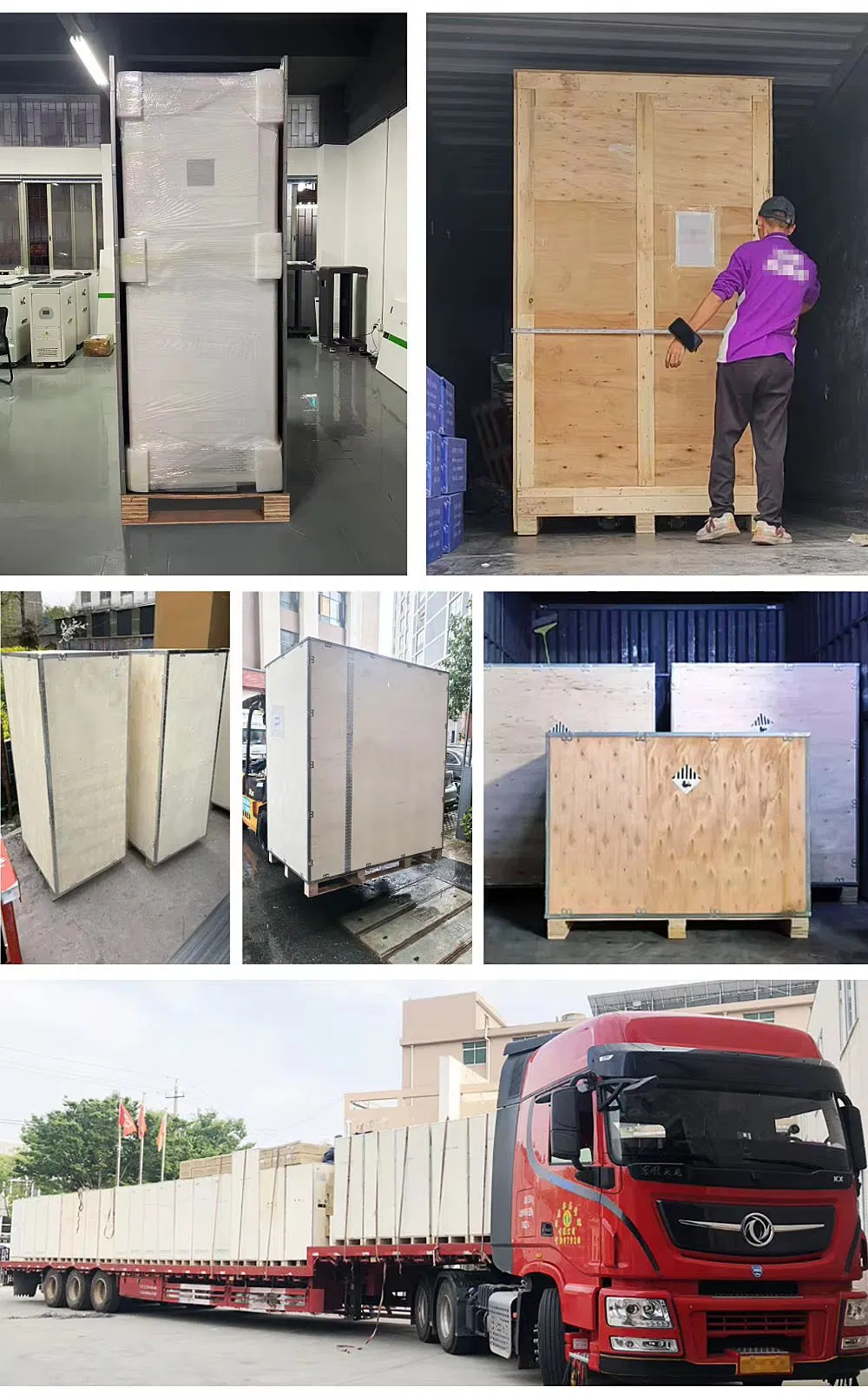
Packaging & Shipping

🏢

Profile

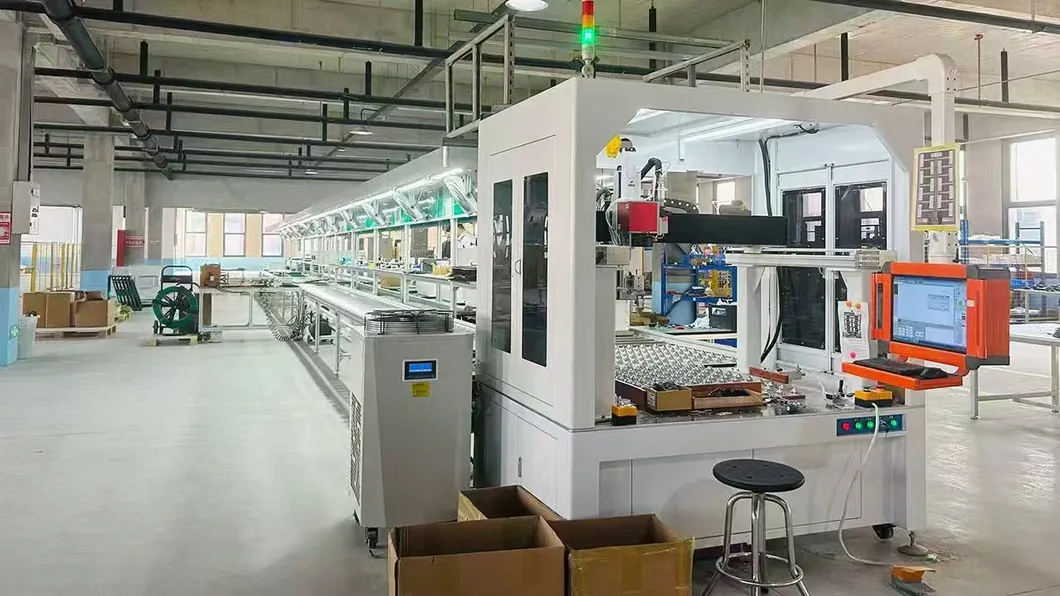
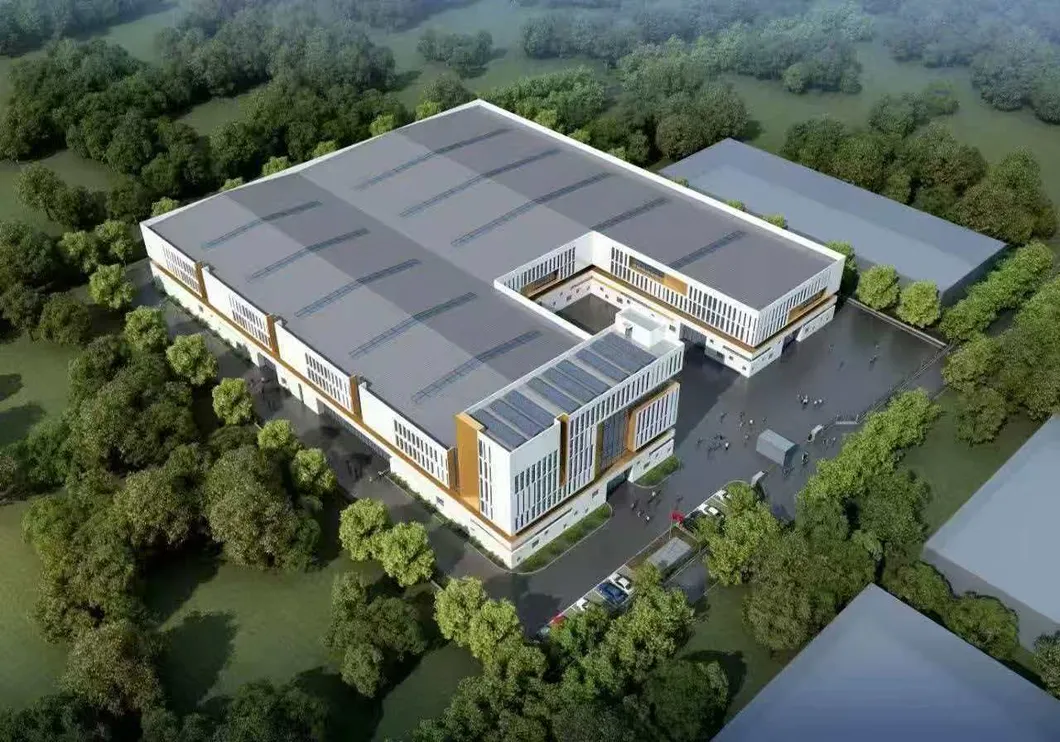
We stand as a professional and innovative manufacturer dedicated to providing comprehensive lithium battery solutions. We specialize in OEM and ODM services, transforming concepts into reliable, high-performance power products. Our core mission is to empower businesses and households with safe, efficient, and customizable energy storage systems.

Our capabilities span the entire value chain of energy storage. We begin at the fundamental level, supplying a diverse range of high-quality battery cells, including cylindrical, lithium polymer (Li-Po), and LiFePO4. Furthermore, we design and manufacture complete, intelligent Home Energy Storage Systems (ESS) that seamlessly integrate with solar power to offer energy independence and backup security.
Frequently Asked Questions

Q: How does DC coupling optimize the use of renewable energy in a large-scale system?
A: It allows for more captured solar energy to be stored directly, with minimal losses. This optimization ensures that a greater portion of the generated solar power is used either on-site or dispatched to the grid.
Q: What role does the Power Conversion System (PCS) play?
A: The PCS is the core component. It functions as a high-power, bidirectional inverter that converts DC from the solar and batteries to AC for use, streamlining the storage infrastructure.
Q: What are the primary advantages of a DC-coupled system?
A: Key advantages include higher overall system efficiency, a simplified layout with fewer components, reduced balance of system (BOS) costs, and seamless integration for both on-grid and off-grid projects.
Q: Why is DC coupling considered more efficient for large scale storage?
A: It avoids multiple DC-AC-DC conversion steps. Solar energy can directly charge the batteries in DC form, reducing energy losses and maximizing ROI.
Q: What is DC coupling in the context of energy storage?
A: It is a system architecture where solar panels and batteries are connected on the same Direct Current (DC) bus before being converted to Alternating Current (AC) by a single, centralized inverter.

Related Products