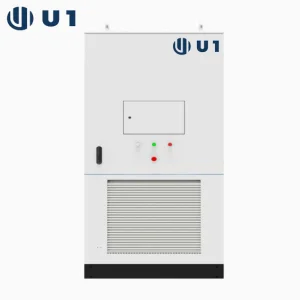
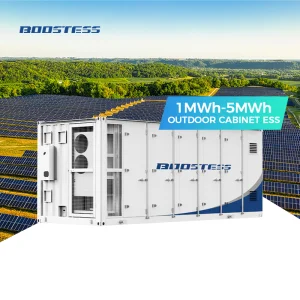
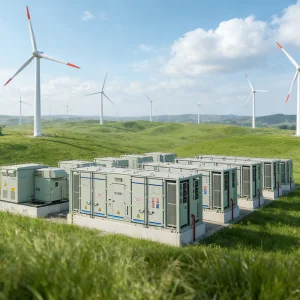
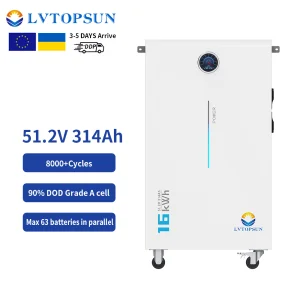
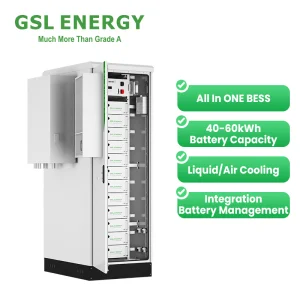
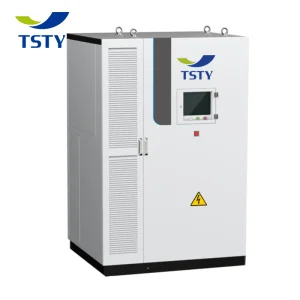
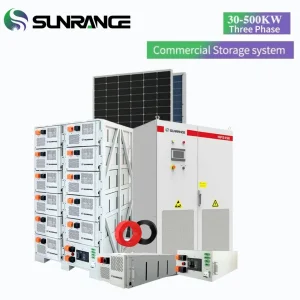
Cutting-edge industrial and commercial energy storage systems designed for reliability and maximum efficiency.
As corporations shift toward ESG (Environmental, Social, and Governance) compliance, the demand for integrated Battery Energy Storage Systems (BESS) has transformed from a niche requirement to a strategic industrial necessity.
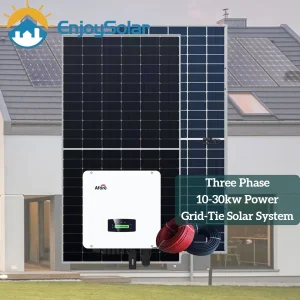
Enterprises in high-tariff regions are utilizing LFP (Lithium Iron Phosphate) storage to reduce "demand charges" by discharging stored solar energy during peak grid pricing hours, often achieving ROI in under 5 years.
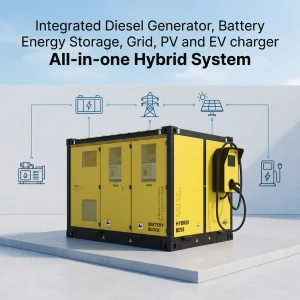
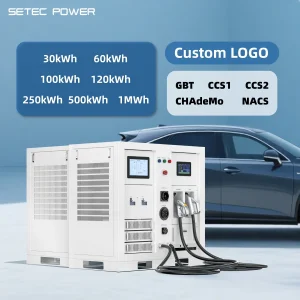
Logistics hubs are integrating MWh-scale energy storage with high-speed EV chargers to avoid massive grid upgrade costs, providing stabilized voltage for rapid charging cycles.
Manufacturing facilities are deploying containerized BESS as "Uninterruptible Power Supplies (UPS)" for whole-factory loads, preventing costly downtime during momentary voltage drops or grid outages.
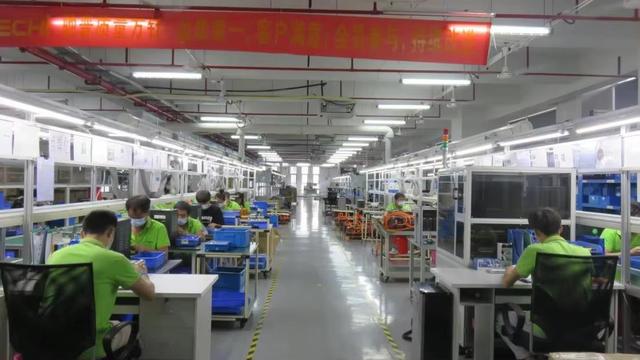
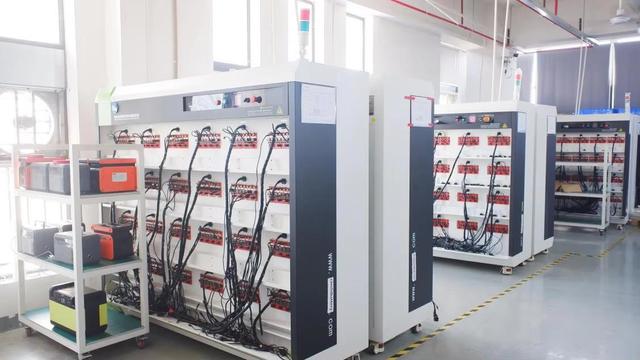
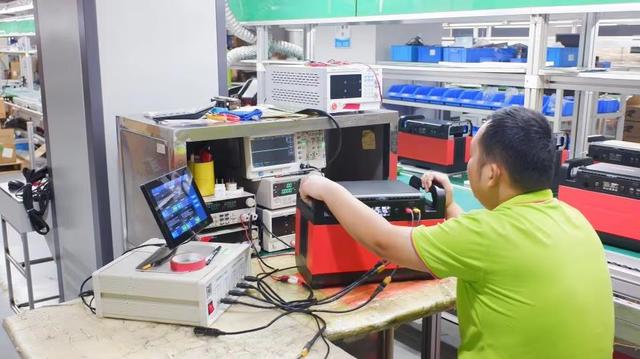
Hangzhou Symbion Energy Co., Ltd. is a professional manufacturer specializing in Battery Energy Storage Systems (BESS), microgrid solutions, and smart energy management technologies for commercial, industrial, and utility-scale applications.
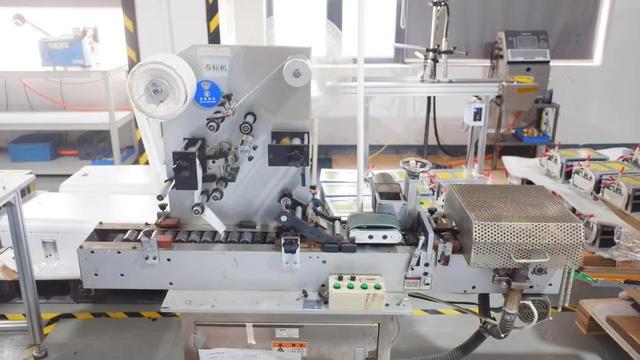
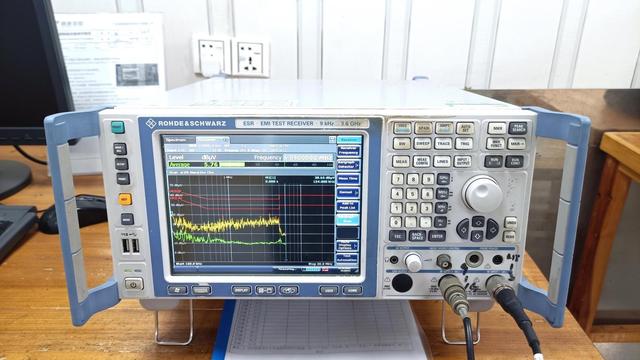
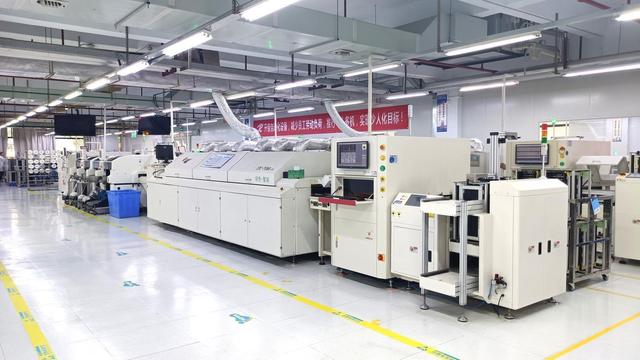
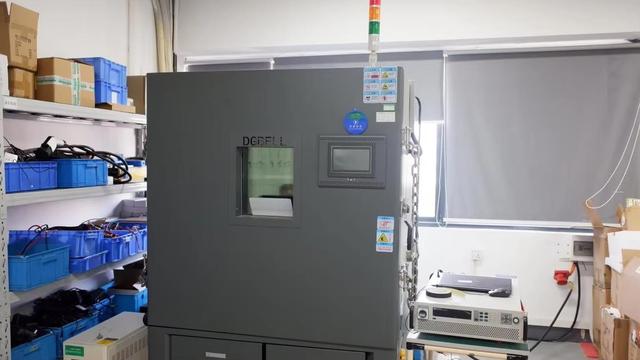
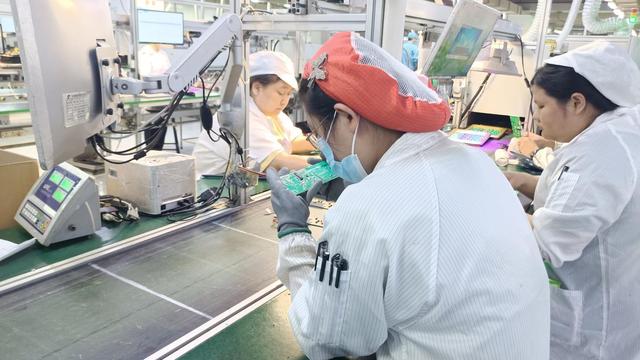
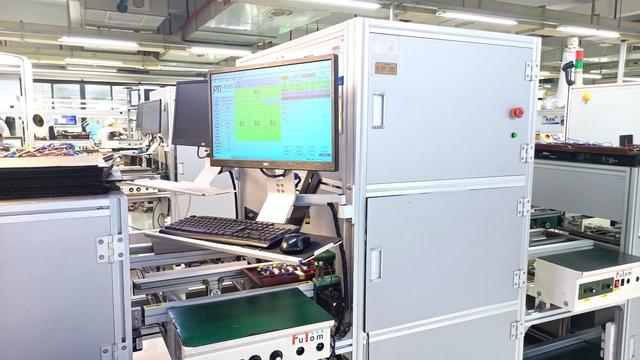
Established in 2014 and located in Hangzhou, Zhejiang Province, China, the company is dedicated to supporting the global transition toward cleaner, more reliable, and more efficient energy infrastructure. With a manufacturing facility covering over 20,000 square meters and a workforce of more than 280 employees, Symbion Energy provides advanced energy storage solutions to customers worldwide.
The company's product portfolio includes industrial battery energy storage systems, containerized BESS solutions, commercial energy storage systems, renewable energy storage systems, microgrid energy storage platforms, backup power systems, distributed energy storage solutions, and intelligent energy management systems.
Moving beyond traditional air cooling, the industry is pivoting to liquid-cooled thermal management. This ensures temperature uniformity within ±3°C across 3.14MWh+ containers, extending battery life by 20%.
The roadmap shows a shift toward higher energy density using CTP architectures, reducing the total footprint of utility-scale storage by 15-20% while improving safety and reducing thermal runaway risks.
Virtual Power Plants (VPP) are the future. Smart energy management systems now integrate AI to predict solar output and grid prices, automatically deciding when to store, consume, or sell power.
The transition to sustainable energy is accelerating across various geographic sectors:
Exporting sustainable energy solutions requires rigorous adherence to local standards. High-tier manufacturers provide:
Selecting the right partner goes beyond just comparing the price per kWh. To gain a competitive advantage and ensure long-term stability, consider these "Information Gain" metrics:
Calculate the total cost of the system over its entire lifetime divided by the total energy it will discharge. A high-quality system with 8000 cycles may have a higher upfront cost but a significantly lower LCOE than a cheaper alternative.
Does the Battery Management System monitor at the string level or cell level? Cell-level monitoring with active balancing is crucial for preventing the "weak link" effect where one bad cell reduces the capacity of the entire container.
A true manufacturer like Symbion Energy controls the integration of the cell, BMS, PCS (Power Conversion System), and EMS. This "all-in-one" approach eliminates compatibility issues between third-party components.
LiFePO4 (Lithium Iron Phosphate) offers superior thermal stability and a much longer cycle life (up to 6000-8000 cycles) compared to traditional NMC batteries, making it the industry standard for stationary industrial energy storage.
Modern solutions use industrial-grade HVAC systems or liquid cooling plates to maintain an optimal internal temperature of 20-25°C, even when ambient temperatures range from -20°C to +50°C.
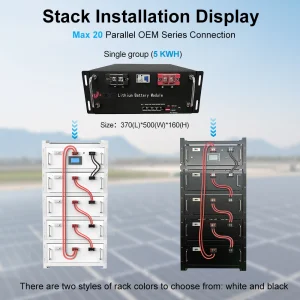
Yes, modular systems allow for parallel expansion. You can start with a 100kWh cabinet and scale up to MWh-scale by adding units as your energy demands grow.
Depending on local electricity rates and solar integration, most industrial projects see a return on investment within 4 to 7 years through peak shaving and energy arbitrage.
Explore our full range of residential, commercial, and utility-scale energy storage products.
 Symbion Energy