The global landscape of Utility Management Solutions has shifted from simple power distribution to a complex, bidirectional ecosystem of smart energy assets. As the world decarbonizes, the integration of intermittent renewable sources like solar and wind requires robust, large-scale Battery Energy Storage Systems (BESS) to maintain grid stability. China has emerged as the epicenter of this manufacturing revolution, accounting for over 70% of the world's lithium-ion battery production capacity.
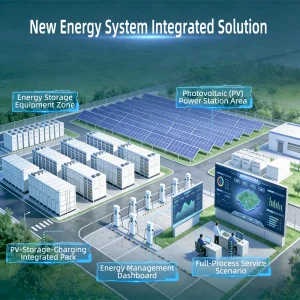
Industrial and commercial (C&I) entities are no longer passive consumers. Through advanced Microgrid Solutions and intelligent energy management, factories are now "prosumers" who generate, store, and sell energy back to the grid. This transition is driven by the urgent need for peak shaving—reducing electricity costs by using stored energy during high-tariff periods—and ensuring 24/7 operational continuity in an era of increasing grid volatility.
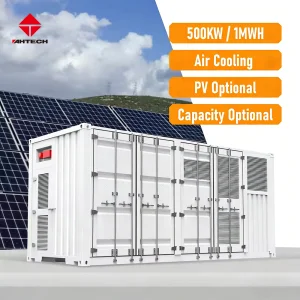
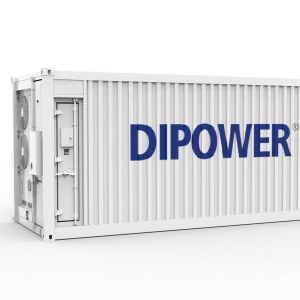
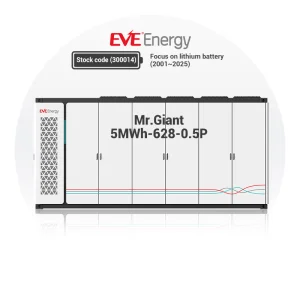
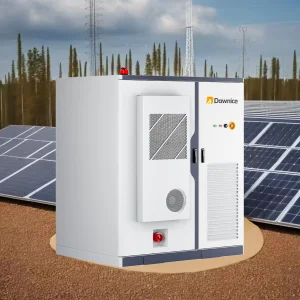
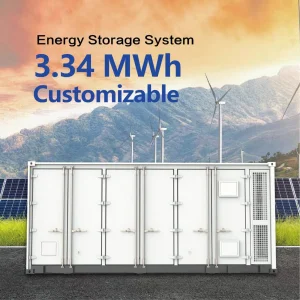
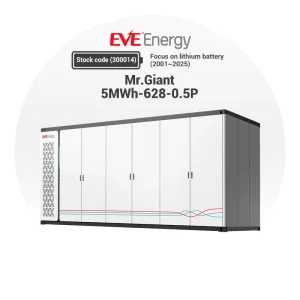
Transitioning from air-cooled to liquid-cooled systems has improved thermal management efficiency by 30%, extending battery life and allowing for higher energy density in smaller containerized footprints like our 5MWh systems.
Safety is paramount in utility management. Lithium Iron Phosphate (LFP) has become the industry standard due to its high thermal runaway threshold and 6,000+ cycle life, making it ideal for decade-long industrial deployments.
Energy Management Systems (EMS) now leverage machine learning to predict load patterns and optimize charging cycles, maximizing ROI by intelligently participating in frequency regulation markets.
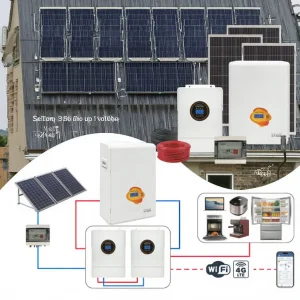
On islands or in remote mining sites, our 100kWh to 500kWh BESS units integrate with diesel generators and solar arrays to provide stable, low-carbon power without reliance on the main grid.
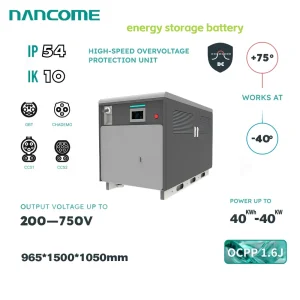
As EV adoption surges, the grid often cannot handle the spike in demand from DC fast chargers. Storage buffers allow for high-speed charging without expensive utility transformer upgrades.
Replacing traditional UPS systems with intelligent BESS allows data centers to not only provide backup power but also generate revenue through grid demand-response programs.
Hangzhou Symbion Energy Co., Ltd. is a professional manufacturer specializing in Battery Energy Storage Systems (BESS), microgrid solutions, and smart energy management technologies for commercial, industrial, and utility-scale applications. Established in 2014 and located in Hangzhou, Zhejiang Province, China, the company is dedicated to supporting the global transition toward cleaner, more reliable, and more efficient energy infrastructure. With a manufacturing facility covering over 20,000 square meters and a workforce of more than 280 employees, Symbion Energy provides advanced energy storage solutions to customers worldwide.
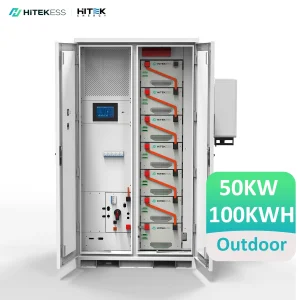
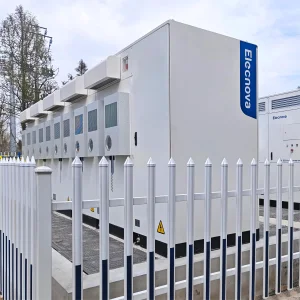
The company's product portfolio includes industrial battery energy storage systems, containerized BESS solutions, commercial energy storage systems, renewable energy storage systems, microgrid energy storage platforms, backup power systems, distributed energy storage solutions, and intelligent energy management systems. These products are widely used in renewable energy integration, peak shaving, load shifting, grid support, emergency backup power, electric vehicle charging infrastructure, and industrial energy optimization projects.
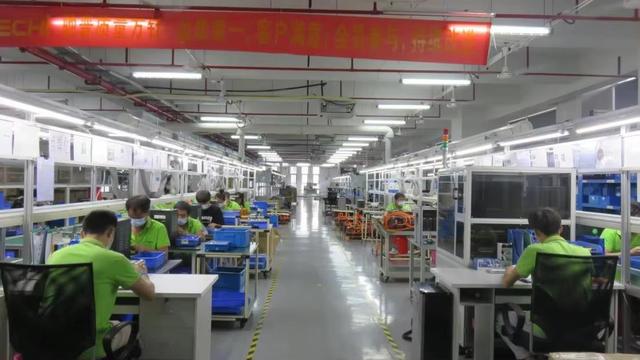
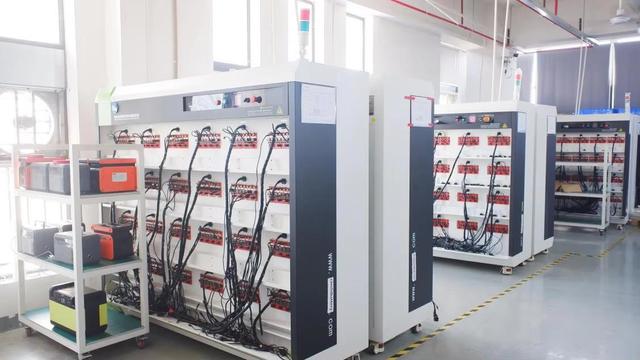
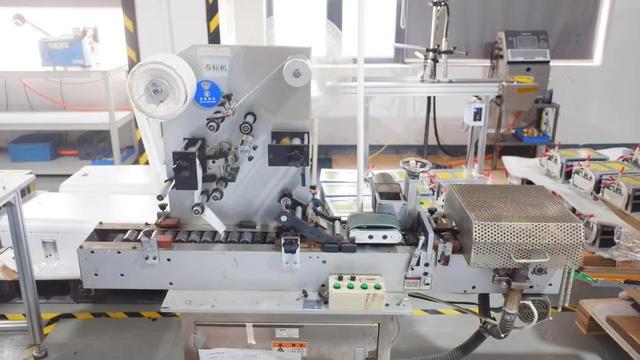
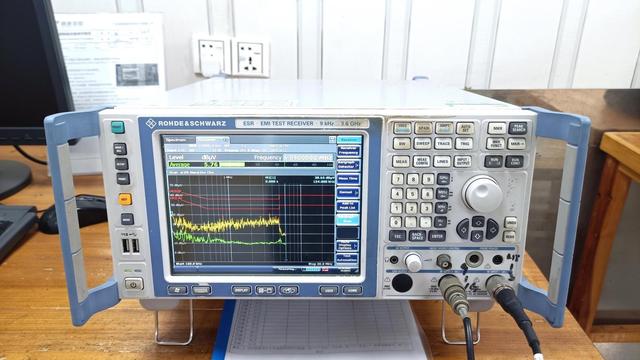
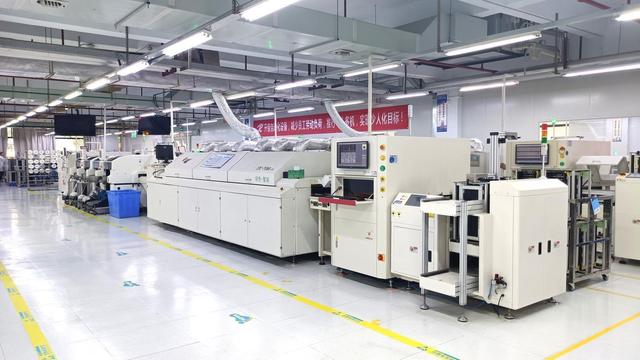
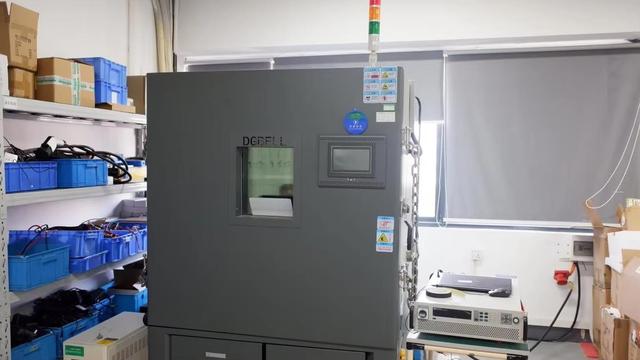
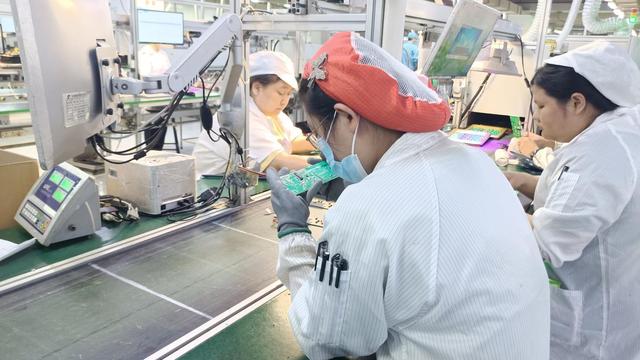
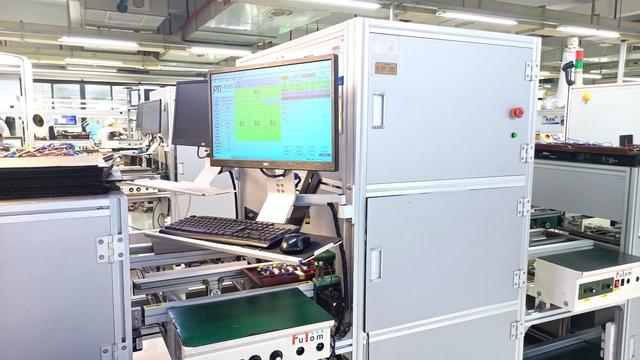
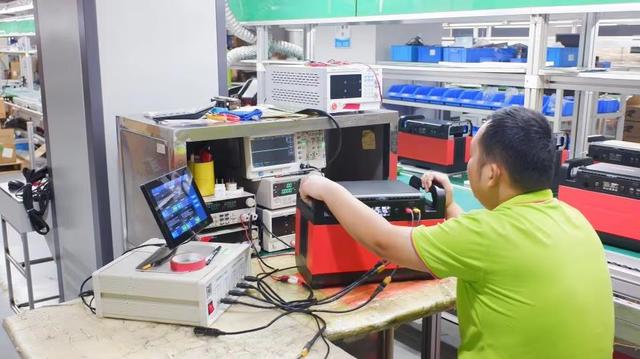
Symbion Energy operates modern production lines, battery integration workshops, and comprehensive testing laboratories to ensure high standards of safety, reliability, and performance. The company follows strict quality control procedures throughout design, manufacturing, system integration, and final testing. Its engineering team continuously develops innovative solutions that help customers improve energy efficiency, reduce operational costs, and enhance power resilience.
In addition to standard products, Symbion Energy offers OEM and ODM services for global partners, including customized battery storage systems, enclosure design, software integration, branding, and project-specific energy solutions. Through ongoing investment in technology, innovation, and customer support, Hangzhou Symbion Energy Co., Ltd. has become a trusted partner for energy developers, utilities, EPC contractors, and industrial customers seeking dependable battery energy storage and smart energy management solutions.
Wholesale solutions provide economies of scale, allowing utility providers and large-scale industrial plants to implement high-capacity BESS at a lower cost-per-kWh. These systems enable peak shaving, frequency regulation, and emergency backup, significantly reducing long-term operational expenditures (OPEX).
Liquid cooling provides more uniform temperature distribution across battery cells, reducing the risk of thermal runaway and increasing the energy density by up to 40% compared to traditional air-cooled containers. This is crucial for high-power utility applications where space and safety are at a premium.
Yes. We specialize in ODM/OEM services, including customized Power Conversion Systems (PCS), battery chemistry adjustments (LFP vs. Solid State), and software integration for specific regional grid codes such as UL 9540A or CE certifications.
With high-quality LFP cells and advanced Battery Management Systems (BMS), our systems typically offer a cycle life of 6,000 to 10,000 cycles, translating to 15-20 years of operational life depending on the depth of discharge (DoD) and ambient conditions.
BESS acts as a buffer. It charges slowly from the grid during low-demand periods and discharges rapidly when an EV requires high-power charging. This prevents grid overload and allows for fast charging in areas with limited power supply.
 Symbion Energy