In the wake of the global "Dual Carbon" goals, the demand for sophisticated Energy Demand Solutions has transitioned from a peripheral utility to a core strategic asset for modern enterprises. As the world’s manufacturing powerhouse, China has evolved beyond simple hardware assembly to become the global epicenter for intelligent energy management and high-density battery storage integration.
Hangzhou Symbion Energy Co., Ltd., established in 2014, stands at the forefront of this revolution. From our 20,000-square-meter facility in Zhejiang, we engineer solutions that address the complex trilemma of energy: security, equity, and environmental sustainability. This guide explores the technical depth, market trends, and manufacturing excellence that define China's wholesale energy sector.
China controls over 70% of the lithium-ion battery supply chain. For global buyers, this means unprecedented price stability, component compatibility, and significantly reduced lead times for large-scale BESS deployments.
Beyond hardware, Chinese factories lead in EMS (Energy Management Systems) and BMS (Battery Management Systems) software, utilizing AI to predict load demands and optimize peak-shaving algorithms in real-time.
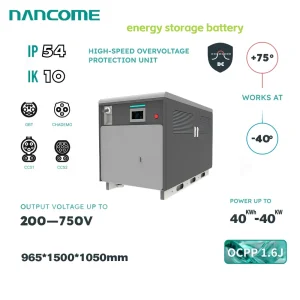
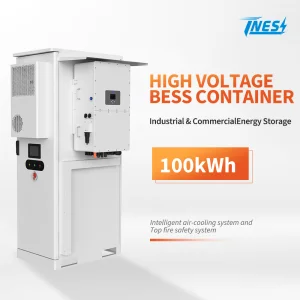
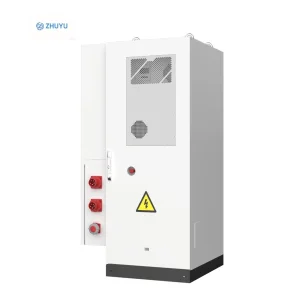
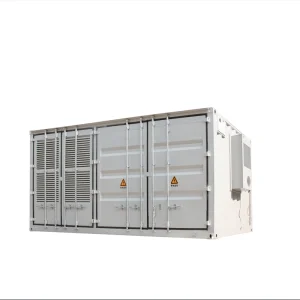
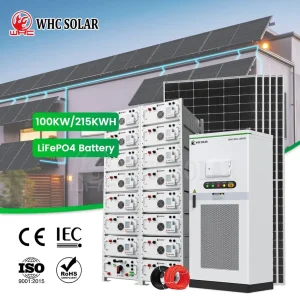
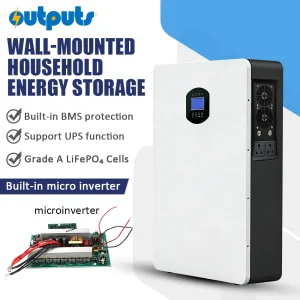
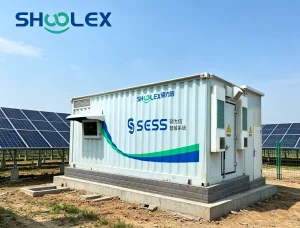
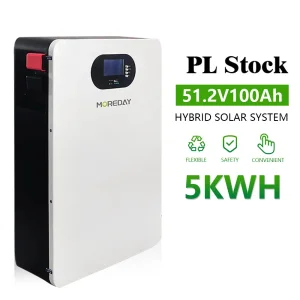
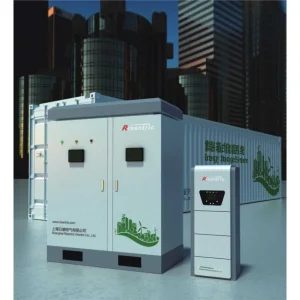
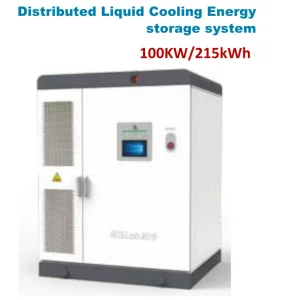
Whether it’s a 100kWh commercial cabinet or a 100MWh utility-scale container, Chinese manufacturers like Symbion Energy offer modular designs that can be customized to specific grid requirements and local regulations.
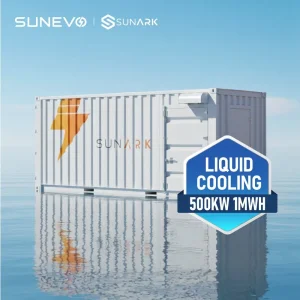
Transitioning from air-cooled to liquid-cooled systems to ensure thermal stability, extending battery life by 20% and increasing energy density in containerized solutions.
Virtual Power Plants (VPP) are turning static energy storage into active revenue streams through automated participation in grid frequency regulation markets.
A shift toward systems capable of 4-10+ hours of discharge to accommodate the intermittent nature of high-penetration renewable energy grids.
Implementing 3D digital twins and cloud-based monitoring for predictive maintenance, reducing O&M costs for remote utility sites.
Combining BESS with electrolyzers to create holistic green energy hubs for industrial parks and heavy transport sectors.
Development of "Second Life" battery applications where EV batteries are repurposed for stationary energy storage before final recycling.
Understanding user intent means recognizing that "Energy Demand" varies by geography and sector. Our solutions are engineered for diverse environments:
In regions with high "Time-of-Use" (ToU) tariffs, our BESS units charge during off-peak hours and discharge during peak demand, drastically lowering electricity bills for factories and data centers.
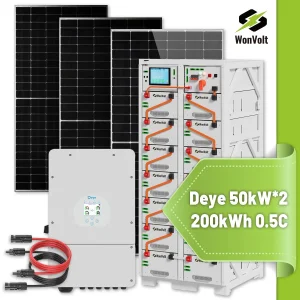
For island communities or remote mining operations, our systems integrate solar, wind, and diesel generators to provide 24/7 stable power with zero-flicker switching.
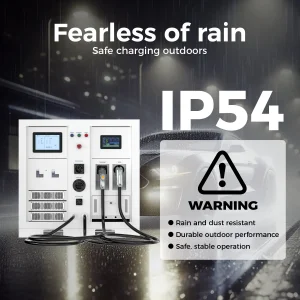
Mitigate the impact of rapid DC charging on local transformers. Our "Buffer Storage" solutions allow for high-speed charging without upgrading expensive grid infrastructure.
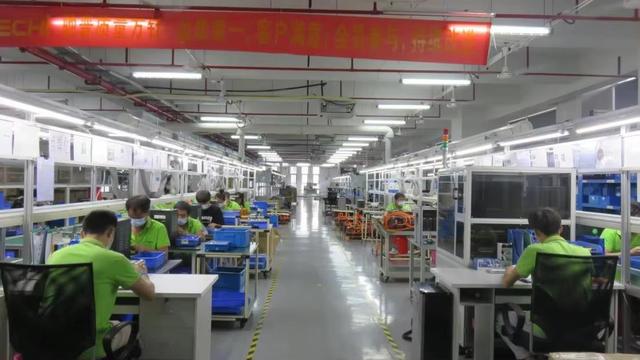
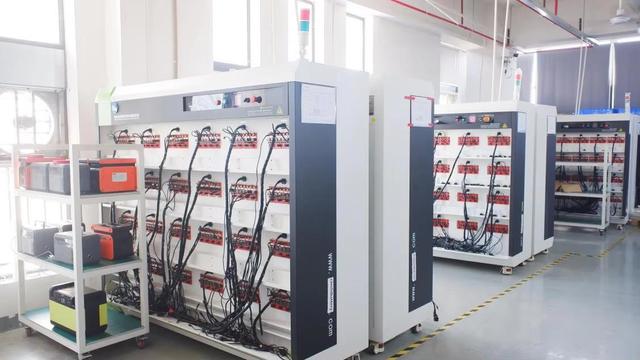
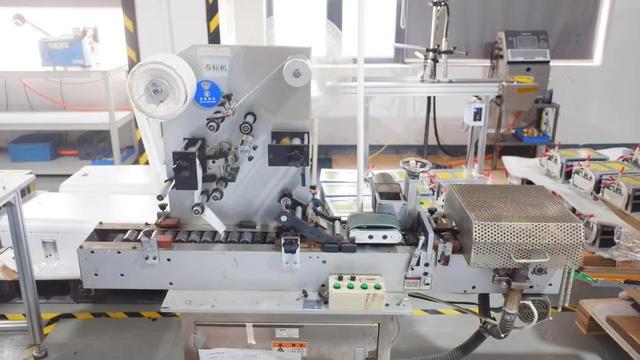
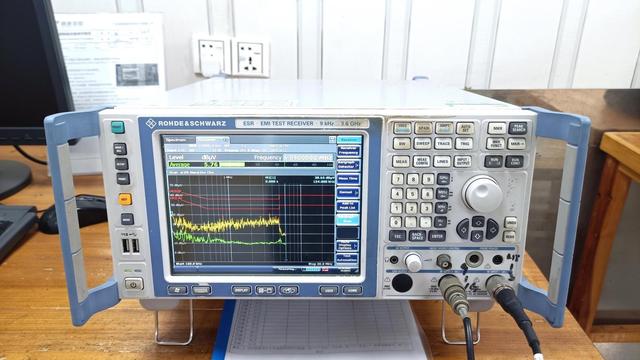
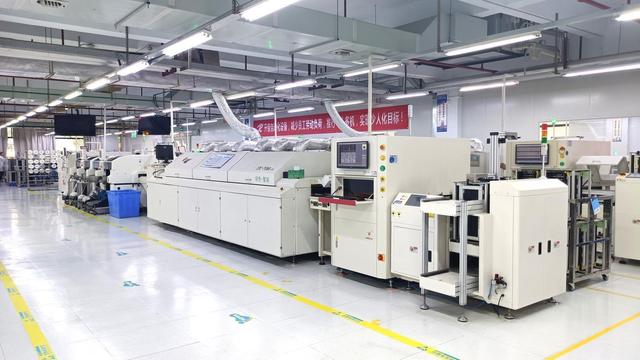
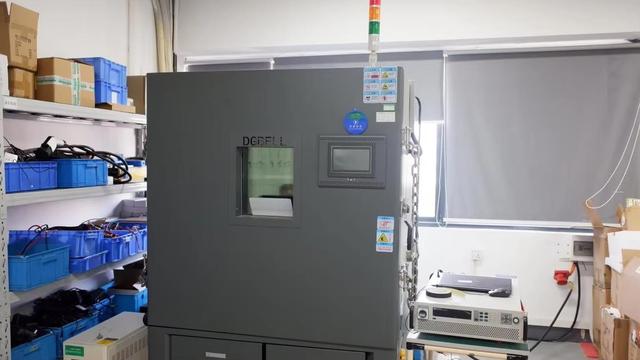
When sourcing China Wholesale Energy Demand Solutions, technical due diligence is paramount. High-quality manufacturers should provide:
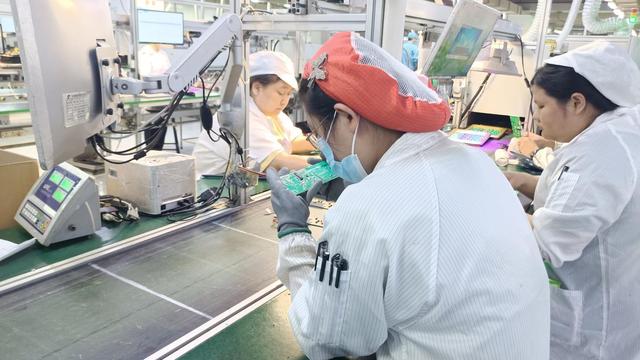
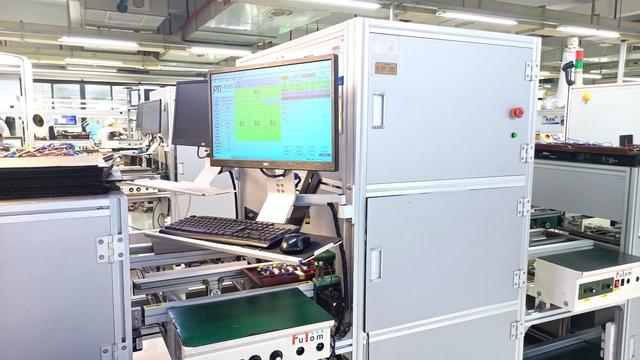
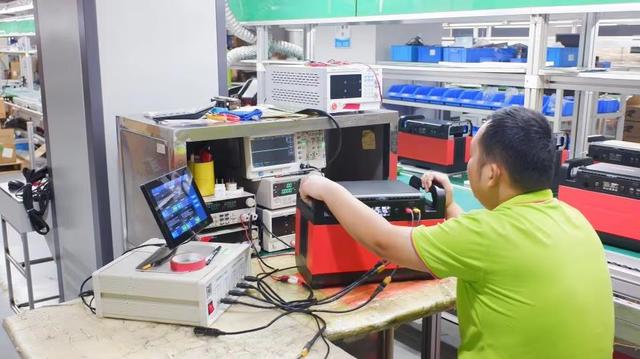
 Symbion Energy