How to Choose the Future of Energy Storage Technology?

Time:2026-09-24 Author:Aria
0%

Choosing the next energy storage technology is not a contest for one universal winner. A battery that suits a suburban home may be a poor fit for a remote microgrid or a factory that needs power for hours. Cost matters, but so do safety, service life, materials, maintenance, and the local electricity supply. A storage system must work in its actual setting, not just look promising in a laboratory or on a sales sheet.

So, what is the future of energy storage technology? The practical answer may be a mix: lithium-ion batteries for fast response, flow batteries or other long-duration options for extended backup, and thermal storage where heat is the useful product. Each choice brings limits. Lithium-ion systems can respond quickly, yet their performance and lifetime depend on operating conditions. Long-duration technologies may address different needs, but project costs, installation requirements, and commercial maturity vary. Details matter.

A thoughtful comparison starts with the job. How many hours must the system deliver? How often will it cycle? What happens during a hot afternoon, a winter outage, or a delayed repair? Ask for independently verified performance data, clear warranty terms, and realistic estimates of total ownership cost. Site-specific assessment from qualified engineers is essential; published figures cannot predict every installation. Even then, forecasts remain uncertain. I would be cautious of any claim that one technology will dominate every market. The better choice is the one whose measurable performance, safety provisions, and lifecycle costs match local needs—with room to revise assumptions as evidence improves.
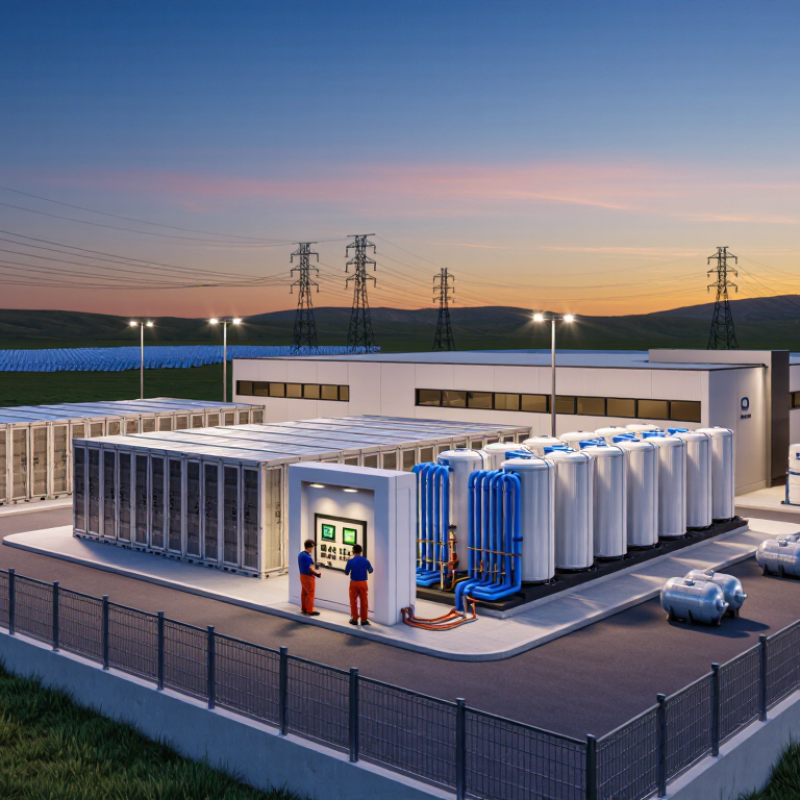
How to Choose the Future of Energy Storage Technology?

Defining the Core Requirements of Future Energy Storage

Future energy storage should be chosen around the work it must perform, not a headline capacity figure. A solar farm may need to shift midday generation into evening; a clinic may need dependable backup during a brief outage. Start by mapping the site’s hourly demand, expected outages, and available charging periods. That sounds basic. Yet these details determine whether storage must deliver power for minutes, hours, or longer. They also reveal how often the system will cycle and whether it can recharge when needed.

Safety, service life, and efficiency belong in the core requirements. Ask how the system manages heat, detects faults, and performs under local temperature conditions. Compare usable energy over time, not just the rated capacity on day one. A battery that meets a target in a cool test room may behave differently in a hot utility enclosure. Plan for inspections, replacement parts, and end-of-life handling, too. Maintenance is not an afterthought. Cost should include installation, operating losses, and likely replacement needs across the project’s lifetime. A neat spreadsheet can still miss real-world delays or changing demand. Requirements may need revision after a site survey; that is inconvenient, but better than building around a guess.

How to Choose the Future of Energy Storage Technology?

Defining the Core Requirements of Future Energy Storage

The chart compares representative technical characteristics of major energy-storage technologies. Lithium-ion systems provide high efficiency and fast response, while pumped hydro, compressed air, flow batteries, and thermal storage are better suited to longer-duration applications.

Values are representative midpoints of published commercial ranges. Sources: U.S. Department of Energy Energy Storage Handbook, International Energy Agency, and National Renewable Energy Laboratory.

Comparing Major Energy Storage Technologies

Choosing the future of energy storage starts with the grid task, not a fashionable chemistry. For a four-hour evening peak, lithium-ion systems offer high efficiency, modular installation, and fast response. Field experience shows their performance depends on temperature control, operating limits, and careful fire protection. They are compact. However, degradation can reduce usable capacity over time, especially under frequent deep cycling. Actual results vary by design and climate.

Pumped hydro remains strong for long-duration storage where elevation, water access, and permits align. It can deliver reliable output for many hours, but construction may take years and reshape local ecosystems. Compressed-air storage suits certain geological sites and can support longer discharge periods. Its efficiency and economics depend heavily on cavern conditions and auxiliary equipment.

Flow batteries separate power capacity from energy capacity, making them attractive for extended, repeated cycling. Yet their tanks and pumps need space, maintenance, and skilled oversight.

Thermal storage can serve industrial heat directly, avoiding unnecessary electricity conversions. Hydrogen-based storage offers seasonal potential, but conversion losses remain substantial. A credible comparison should examine round-trip efficiency, response time, safety records, land use, water needs, recycling, and lifetime cost.

I would also test degradation assumptions against local weather and actual duty cycles. That step is often neglected. Independent testing and transparent operating data matter more than polished projections. A pilot measuring charge, discharge, temperature, and maintenance can expose weak assumptions before full-scale investment.

Evaluating Performance, Cost, Safety, and Sustainability

How to Choose the Future of Energy Storage Technology?

Evaluating performance means matching a system to its actual job. A solar farm may need several hours of evening supply; a grid operator may need fast, frequent balancing. Compare usable duration, round-trip efficiency, degradation, and response time under local conditions. The IEA’s 2024 Batteries and Secure Energy Transitions report says global battery storage capacity needs to rise sixfold, to 1,200 gigawatts by 2030, in its net-zero pathway. That scale makes dependable operation as important as headline performance.

Cost comparisons need more than an equipment price. BloombergNEF’s 2024 Battery Price Survey reported a 20% fall in average lithium-ion pack prices, to $115 per kilowatt-hour. Yet installation, maintenance, replacement, and recycling also shape lifetime cost. Safety deserves equal scrutiny: examine thermal management, fire detection, spacing, and emergency procedures at the site level. Sustainability depends on mineral sourcing, manufacturing emissions, system lifetime, and end-of-life recovery. No option is impact-free. I would hesitate to call any technology “green” without checking its full supply chain.

Tips: Ask for performance data across expected temperatures and operating cycles. Compare cost per delivered megawatt-hour over the system’s full life, not just purchase price. Request a clear safety plan and recycling pathway. Then test the assumptions against a real site; forecasts can be wrong.

Matching Storage Solutions to Different Energy Applications

Energy storage works best when its job is clearly defined. A home battery may need to cover evening demand, when lights, cooking, and heating overlap. Lithium-ion systems suit frequent daily cycling and compact spaces, but temperature control and replacement costs matter. A small detail can change the choice: a battery installed in a hot utility room may need extra ventilation or cooling.

Grid operators face a different task. They may need fast response for minutes, or steady supply for many hours. Flow batteries and pumped hydro can serve longer-duration needs, while thermal storage can shift heating or cooling demand. No technology fits every site. A remote clinic, for example, needs reliable backup, simple maintenance, and enough stored energy for cloudy days. That can make local conditions more important than headline efficiency. A spreadsheet can make one option look obvious, yet installation limits, water access, and repair skills are easy to overlook. I would question any recommendation that ignores them. Include safety, expected cycle life, and end-of-life handling in the comparison, not just purchase price.

Assessing Innovation Trends and Long-Term Development Potential

Choosing future energy storage is less about predicting one winning chemistry and more about matching technologies to real operating conditions. A battery beside a solar farm must respond quickly to evening demand; a seasonal system may need to hold energy much longer. The International Energy Agency reported that power-sector battery additions reached about 42 gigawatts in 2023, more than twice the previous year’s level. That rapid growth shows momentum, not proof that batteries suit every grid. Duration matters.

Innovation trends also need a long-term test. BloombergNEF reported that average stationary-storage battery prices fell 14% in 2023, to about $139 per kilowatt-hour. Lower prices can improve project economics, but they do not erase permitting delays, grid connection costs, or material supply risks. Look beyond the purchase price. Compare lifespan, efficiency, safety, recycling options, and performance in local temperatures. A desert site and a cold-region substation face different realities. Long-duration technologies may serve gaps that short-duration batteries cannot, though costs and deployment experience remain uneven. Forecasts are useful, but they are not guarantees. A careful choice should leave room for new evidence—and for changing demand.

How to Choose the Future of Energy Storage Technology? — Assessing Innovation Trends and Long-Term Development Potential
Technology Typical Discharge Duration Typical Round-Trip Efficiency Technology Readiness Key Advantages Key Constraints Long-Term Development Potential
Lithium-ion batteries About 1–8 hours for many grid applications; longer configurations are possible. Approximately 85–95%, depending on system design and operating conditions. Commercially mature and widely deployed. Fast response, modular deployment, high efficiency, and a well-developed supply chain. Degradation over time, fire-safety requirements, and exposure to mineral supply and price fluctuations. Strong for short-duration flexibility. Continued progress is expected in cost, safety, recycling, and alternative chemistries.
Flow batteries Often about 4–12 hours; duration can be increased by enlarging electrolyte tanks. Approximately 60–85%, depending on chemistry and system design. Commercial deployment exists, but the market is less established than for lithium-ion. Power and energy capacity can be scaled separately; some designs offer long cycle life and non-flammable electrolytes. Lower energy density, larger footprint, and project economics that depend on electrolyte and system costs. Promising for stationary, longer-duration storage if manufacturing scale and project costs improve.
Pumped-storage hydropower Typically 6–20 hours or more, depending on reservoir size and operating conditions. Approximately 70–85%. Highly mature, with decades of operating experience. Large capacity, long asset life, and proven ability to provide grid-scale flexibility and reserves. Requires suitable sites, substantial capital, long development timelines, and careful management of environmental and water impacts. Valuable for large-scale, long-life storage where geography, permitting, and water conditions are suitable.
Compressed-air energy storage Several hours to multiple days, depending on cavern and system design. Roughly 40–70%; performance varies significantly with system configuration and heat management. Demonstrated at utility scale, but deployment remains limited. Potential for large capacity and long discharge periods, particularly where suitable underground formations exist. Geological site dependence, complex engineering, and efficiency challenges in some configurations. Could serve selected regions needing bulk, long-duration storage if suitable sites and cost-effective designs are available.
Thermal energy storage Several hours to days; some heat-storage systems can retain energy for longer periods. Highly application-dependent: direct heat recovery can be efficient, while electricity-to-electricity performance varies widely. Mature in some applications, including hot-water storage; newer grid-scale designs are at different stages of development. Can store heat directly, use abundant materials, and integrate with district heating or industrial processes. Value depends on access to a suitable heat demand; conversion back to electricity may reduce overall efficiency. Attractive where heating, cooling, or industrial heat needs align with renewable-energy availability.
Hydrogen-based storage Potentially days to seasonal timescales when stored in suitable facilities. Electricity-to-hydrogen-to-electricity is generally about 25–45%, depending on equipment and system boundaries. Hydrogen production and industrial use are established, but large-scale power-storage pathways are less widely deployed. Can store large quantities over long periods and supply industry, transport, heat, or electricity. Low electricity-to-electricity efficiency, infrastructure needs, storage challenges, and the importance of low-emissions production. Most compelling for long-duration or seasonal balancing and for sectors that can use hydrogen directly.

Values are indicative ranges reported across different system designs and operating conditions, not guaranteed project specifications. A suitable technology depends on required duration, response time, site conditions, safety, lifecycle cost, and whether the stored energy must return as electricity or can be used as heat or fuel.

FAQS

How should a storage technology be selected?

Start with the grid task, not a fashionable chemistry. Define duration, response speed, cycling frequency, and site limits. A four-hour evening peak needs a different solution than seasonal storage. The estimate may still be wrong.

When are lithium-ion systems suitable?

They suit compact sites, frequent cycling, and fast response. They can support evening demand after solar production falls. Heat, deep cycling, and operating limits can reduce usable capacity. Temperature control matters.

What affects the lifetime cost of energy storage?

Purchase price is only one part of the calculation. Include installation, maintenance, replacements, efficiency losses, and recycling. Compare the cost of delivered energy across the full operating life. Cheap equipment can become expensive later.

Which technologies support long-duration storage?

Pumped hydro can deliver power for many hours when elevation and water access align. Compressed-air systems may work well near suitable underground formations. Flow batteries support extended cycling by separating power capacity from energy capacity. Each option needs space.

How does location influence the best storage choice?

Local weather, land, water, permits, and repair skills can change the decision. A remote clinic may need simple maintenance and backup for cloudy days. A hot utility room may require extra cooling or ventilation. Location is not a footnote.

What safety issues should buyers examine?

Review thermal management, fire detection, spacing, ventilation, and emergency procedures. Ask how the system behaves during high temperatures and repeated deep cycles. Site-level planning matters more than attractive performance charts. Test the uncomfortable scenarios.

How should sustainability be evaluated?

Examine mineral sourcing, manufacturing emissions, water use, system lifetime, and end-of-life recovery. No storage technology has zero environmental impact. A full supply-chain review is necessary before calling a system sustainable. The label can mislead.

Why are pilot projects and independent tests important?

A pilot can measure charging, discharging, temperature, faults, and maintenance needs. It may reveal weak assumptions before a full-scale investment. Use real weather and actual duty cycles when testing performance. Forecasts are often too confident.

Conclusion

Choosing the future of energy storage technology begins with understanding what each application needs: reliable power, rapid response, long-duration storage, affordability, or a smaller environmental footprint. Comparing technologies such as batteries, pumped storage, thermal systems, and hydrogen-based solutions helps reveal their different strengths and limitations. No single option is ideal for every situation, so decisions should weigh performance, cost, safety, resource use, and sustainability together.

The question of what is the future of energy storage technology depends on how these solutions develop and fit into a changing energy system. Short-duration storage may support grid stability and daily renewable-energy balancing, while longer-duration approaches could help manage extended gaps in supply. Continued improvements in efficiency, materials, manufacturing, recycling, and system integration will shape which technologies become practical at scale. A flexible mix of storage options is likely to serve diverse needs more effectively than reliance on one technology alone.

Aria

Aria

Aria is a dedicated marketing professional with a deep passion for innovative strategies and a keen understanding of our company's product offerings. With a wealth of experience in the industry, Aria excels at crafting engaging content that highlights the unique features and benefits of our......