In today's rapidly evolving energy landscape, understanding how does battery storage improve energy resilience is crucial. Experts like Dr. Emily Chen, a leading figure in renewable energy technologies, emphasize the transformative potential of battery storage. She states, "Battery storage is not just about storing energy; it's about making our energy systems smarter and more reliable."
As we face increasing natural disasters and grid instability, resilience has become more important. Battery storage systems provide a buffer against these challenges, allowing for energy to be stored during low-demand periods and released when needed. This capability empowers communities to withstand outages and ensure a continuous power supply.
However, the integration of battery storage isn't without its complexities. We must consider factors like the environmental impact of battery production and disposal. Addressing these challenges is essential for realizing the full benefits of energy resilience. With ongoing advancements, the dialogue on how does battery storage improve energy resilience must continue, paving the way for a sustainable future.
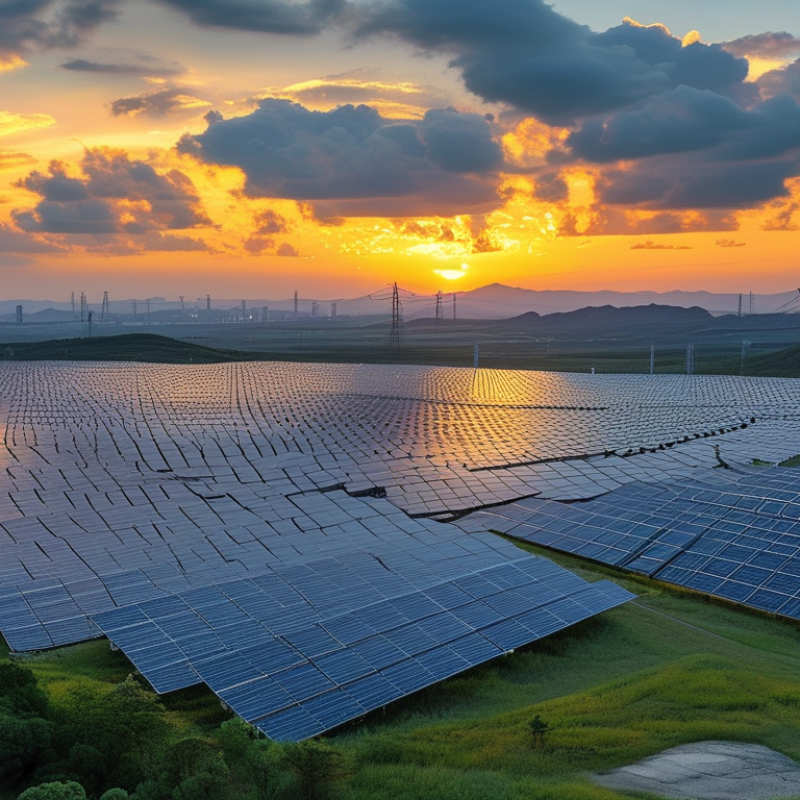
The Role of Battery Storage in Modern Energy Systems
Battery storage plays a crucial role in modern energy systems. It enables the efficient management of electricity generated from renewable sources. By storing excess energy produced during high-demand periods, it can be discharged when needed. This enhances energy reliability and reduces dependence on fossil fuels.
The integration of battery systems allows for a more resilient energy grid. In times of outages, stored energy can bridge the gap. This function is vital for maintaining essential services. However, challenges remain in terms of scalability and costs. Not all battery technologies offer the same efficiency. Experts argue that ongoing research is needed to optimize these systems.
Additionally, while battery storage improves energy access, disposal remains a concern. The environmental impact of used batteries must be managed appropriately. As society shifts toward sustainable energy, these concerns must be addressed. Ensuring that battery storage is both effective and responsible is a crucial balancing act for future energy solutions.
Types of Battery Technologies Used for Energy Storage
Battery storage is becoming a critical component of energy systems worldwide. It allows for better management of renewable energy sources and enhances resilience against outages. Various battery technologies serve as foundational tools in this transformation.
Lithium-ion batteries dominate the market due to their high energy density and efficiency. According to a report from the International Renewable Energy Agency (IRENA), lithium-ion batteries account for about 70% of global energy storage systems. They support applications ranging from household systems to large-scale utility deployments. However, their reliance on rare materials raises concerns about sustainability.
Lead-acid batteries are another popular option. They are cost-effective and have a long track record. However, they lack the efficiency and lifecycle of lithium-ion options. Additionally, advancements in flow batteries and solid-state technologies show promise. Flow batteries offer longer discharge times, ideal for grid stability. While solid-state batteries provide safety and energy density improvements, they are still in development. This spectrum of technologies illustrates that while choices expand, challenges persist, requiring ongoing investment and innovation for a resilient energy future.
Benefits of Enhanced Energy Resilience through Battery Storage
Battery storage plays a crucial role in enhancing energy resilience. It effectively addresses energy demand fluctuations and unforeseen outages. According to a report by the International Energy Agency (IEA), the battery storage capacity is projected to reach 500 GWh by 2025. This growth will support a more reliable energy grid. Incorporating battery storage can increase resilience by ensuring a consistent power supply, even during high-demand periods.
Flexible battery systems can store excess solar and wind energy. This stored energy can be dispatched during peak times or crises. A study by the U.S. Department of Energy indicates that battery storage can reduce grid downtime by up to 75%. This decrease significantly boosts community resilience during natural disasters or energy shortages.
**Tip: Regularly assess your energy needs to determine if battery storage could benefit your resilience strategy.**
Implementing advanced battery storage solutions helps businesses manage energy costs effectively. It can also facilitate smoother transitions to renewable energy. However, not all battery systems suit every application. Choosing the right technology requires careful consideration.
**Tip: Research local regulations and incentives for battery storage installations that may enhance your energy strategy.**
How Battery Storage Enhances Energy Resilience Today
Challenges and Limitations of Battery Storage Solutions
Battery storage systems offer considerable potential to boost energy resilience. However, they face significant challenges and limitations that warrant attention. One key issue is the high cost of these systems. While prices have decreased, initial investments can still deter many users. This barrier often limits widespread adoption, especially for smaller enterprises.
Another challenge lies in the environmental impact of battery production. The extraction of raw materials such as lithium and cobalt raises ethical and ecological concerns. These processes can lead to habitat destruction and geopolitical tensions. Furthermore, the recycling of batteries remains underdeveloped. This results in potential waste management issues in the future.
Grid integration poses another hurdle. Existing energy infrastructure may not support the seamless inclusion of battery storage. Some regions struggle with regulatory frameworks that are not conducive to innovation. This can create frustration for those trying to implement effective solutions. The interplay of these challenges highlights the complexity of enhancing energy resilience through battery storage.
The Future of Battery Storage in Sustainable Energy Infrastructure
The future of battery storage in sustainable energy infrastructure is bright but complex. By 2030, the global battery storage market is expected to exceed $160 billion, according to industry forecasts. This growth reflects a shift toward renewable energy sources. However, integrating battery systems presents challenges.
Battery storage helps balance supply and demand in real-time. This reduces reliance on fossil fuels, yet there are gaps in technology. For instance, charge cycles can degrade batteries over time, which impacts longevity. Current lithium-ion systems often have a lifespan of about 10 years. Emerging technologies, like solid-state batteries, may extend this lifespan but still require extensive research.
Renewable energy sources, such as wind and solar, can be intermittent. Without effective storage solutions, energy can be wasted. In 2022, approximately 30% of generated renewable energy was lost due to lack of storage capacity. Addressing this inefficiency is critical. To enhance energy resilience, we must develop more reliable battery technologies. This evolution in battery storage is pivotal as we move toward a sustainable energy future, yet it is a challenging journey requiring innovation and collaboration.
FAQS
: Battery storage improves electricity management from renewable sources. It stores excess energy for later use, enhancing reliability.
Stored energy can be discharged during outages. This provides power and maintains critical functions until regular supply is restored.
High initial costs deter some users from adopting battery systems. Smaller enterprises often find it especially challenging to invest.
Lithium-ion batteries have high energy density and efficiency. They account for around 70% of global energy storage solutions.
The extraction of materials like lithium raises ecological and ethical issues. It can lead to habitat destruction and geopolitical tensions.
Battery recycling processes are currently underdeveloped. This creates potential waste management problems for the future.
Existing infrastructure may not support battery storage seamlessly. Regulatory frameworks can hinder innovative solutions in some regions.
Yes, lead-acid batteries and emerging technologies like flow and solid-state batteries are alternatives, though each has its drawbacks.
Ensuring battery storage is both effective and environmentally responsible is crucial for sustainable energy advancements.
Optimizing battery systems for efficiency and sustainability is an area needing continual investment and innovation.
Conclusion
Battery storage plays a crucial role in enhancing energy resilience today by integrating advanced technologies into modern energy systems. Various types of battery technologies, including lithium-ion and flow batteries, contribute to efficient energy storage solutions that address demand fluctuations and renewable energy intermittency. By allowing for the accumulation and distribution of energy during peak times, battery storage significantly enhances energy resilience, helping communities withstand power outages and disruptions.
However, challenges such as high initial costs, limited lifespan, and environmental concerns regarding battery disposal must be considered. Despite these limitations, the future of battery storage looks promising, as ongoing innovations aim to improve performance and sustainability, further solidifying its position as a vital component in the quest for energy resilience. Ultimately, understanding how does battery storage improve energy resilience is essential for developing smarter and more sustainable energy infrastructures.

 Symbion Energy